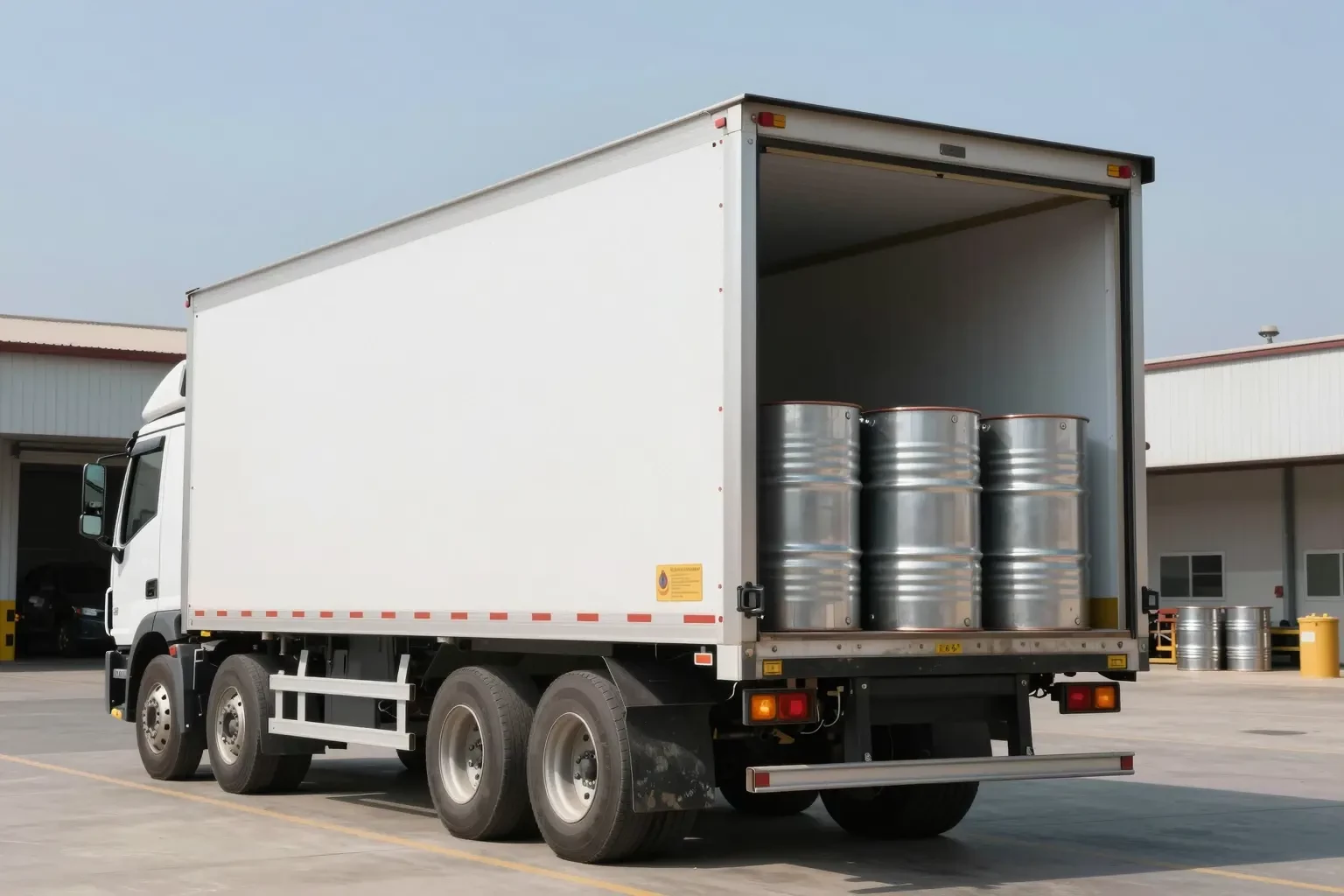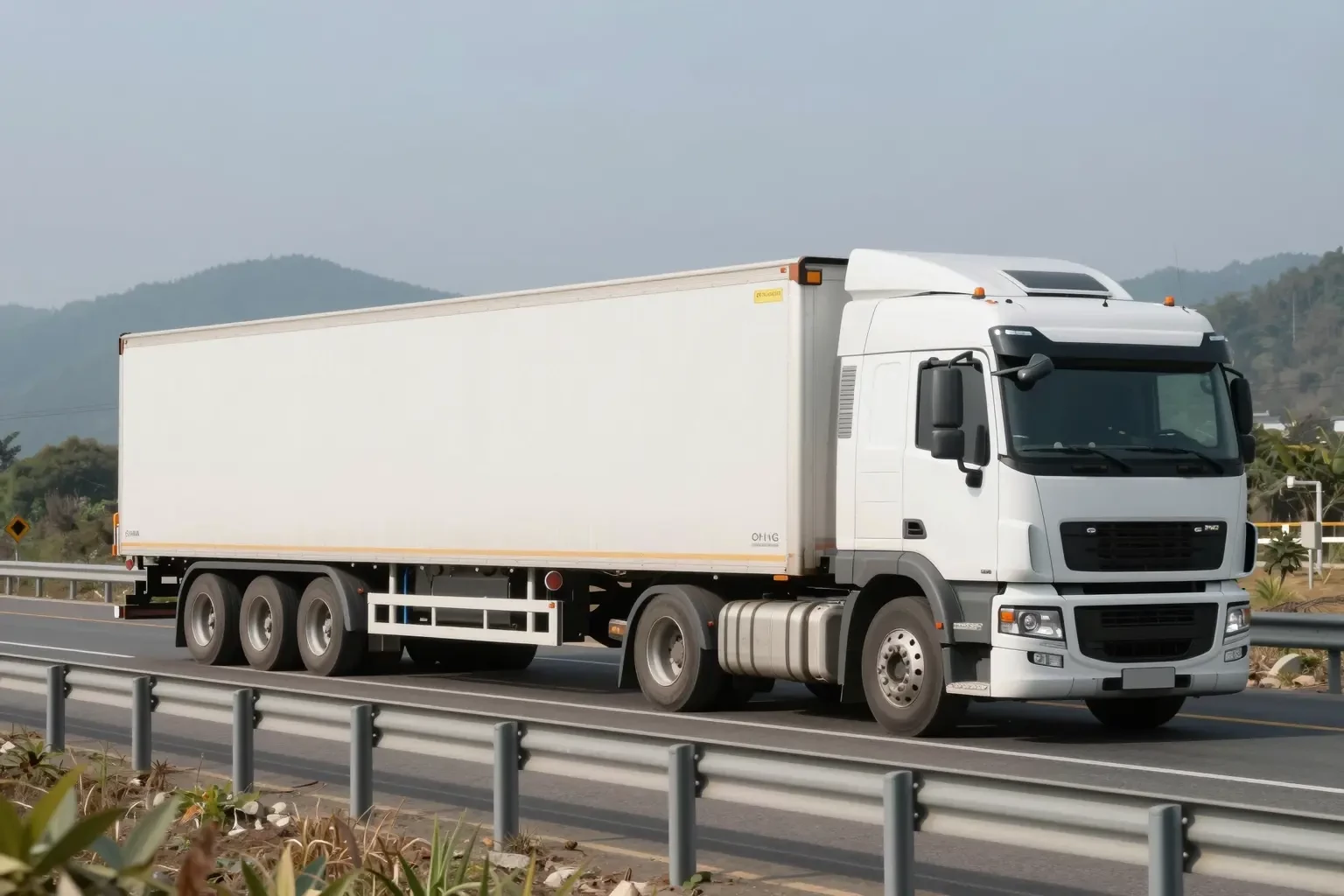

Natural gas is a vital energy source globally‚ offering cleaner and more efficient fuel options compared to traditional fossil fuels. Its transportation‚ however‚ poses unique challenges and opportunities. While pipelines are the primary method for transporting natural gas‚ trucking offers a flexible alternative‚ especially in areas without extensive pipeline infrastructure. This article explores the feasibility‚ methods‚ and considerations involved in transporting natural gas by truck.
Methods of Transporting Natural Gas by Truck
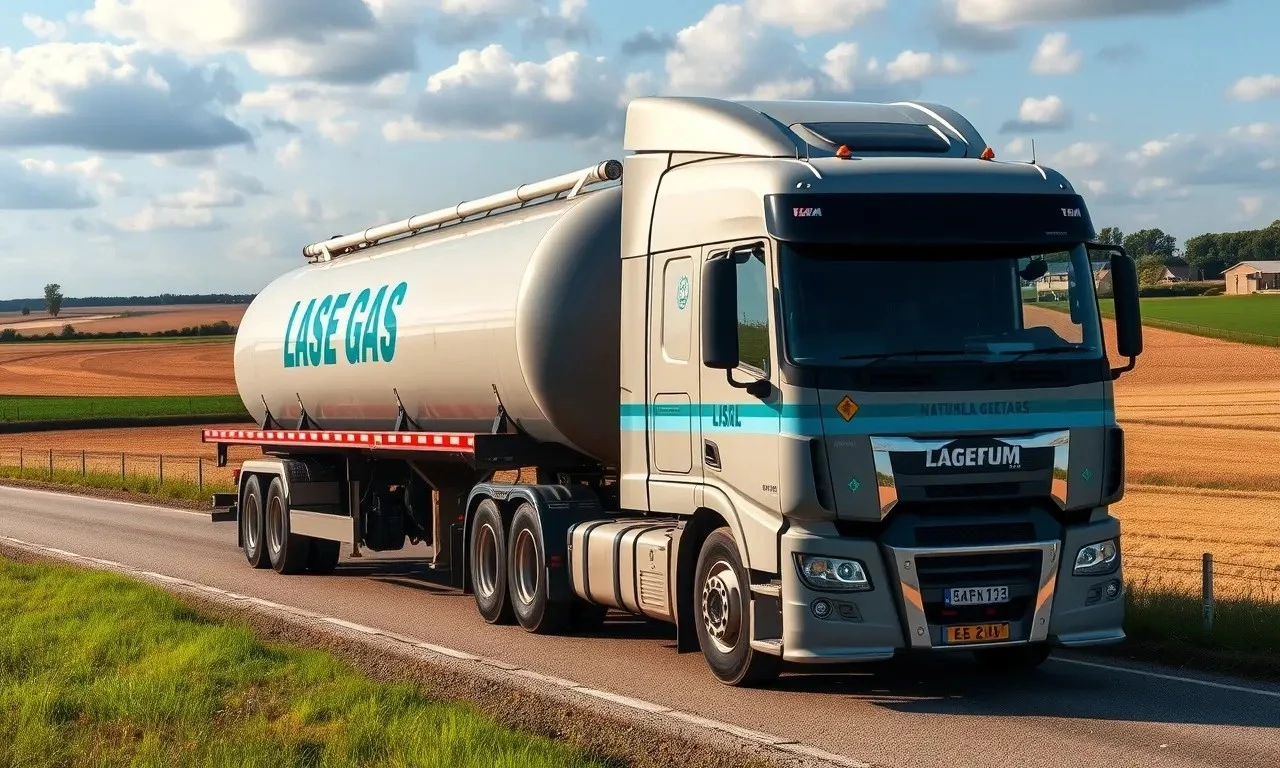
There are two main forms of natural gas that can be transported by truck: Liquefied Natural Gas (LNG) and Compressed Natural Gas (CNG).
Liquefied Natural Gas (LNG)
LNG is natural gas that has been cooled to a liquid state at approximately -162°C (-260°F). In this form‚ it occupies 1/600th of its gaseous volume‚ making it more efficient for long-distance transportation. LNG is typically transported in specialized cryogenic tanker trucks equipped with insulated tanks to maintain the low temperatures required for the liquid state.
Compressed Natural Gas (CNG)
CNG is natural gas compressed to less than 1% of the volume it occupies at standard atmospheric pressure. It is stored and transported in high-pressure containers‚ making it suitable for shorter distances and where infrastructure allows for frequent refueling.
Infrastructure and Logistics
Transporting natural gas by truck requires robust infrastructure and logistics. This includes facilities for LNG liquefaction or CNG compression‚ specialized storage tanks‚ and a network of distribution centers. The logistics also encompass route planning‚ scheduling‚ and coordination to ensure timely and efficient delivery to end-users.
Safety Considerations
Safety is a paramount concern in the transportation of natural gas by truck. Trucks carrying LNG or CNG are subject to stringent safety regulations to prevent accidents and leaks. These regulations cover everything from the design and maintenance of the vehicles to the training and certification of drivers. Emergency response plans and regular safety drills are also part of the safety protocol.
Efficiency and Cost
While trucking offers flexibility‚ it can be less efficient and more costly compared to pipeline transport. The cost of liquefying natural gas for LNG or compressing it for CNG‚ coupled with the expenses of specialized trucks and storage‚ can add to the overall transportation cost. However‚ in areas lacking pipeline infrastructure‚ trucking remains a viable solution.
Regulations and Technology
Regulations play a critical role in the transportation of natural gas by truck. These include international and local laws governing fuel standards‚ emissions‚ and vehicle specifications. Advances in technology‚ such as improved tank insulation for LNG and more efficient compressors for CNG‚ continue to enhance the safety and efficiency of natural gas transportation by truck.
Environmental Impact and Renewable Resources
Natural gas is considered a cleaner alternative to other fossil fuels‚ producing fewer emissions when burned. However‚ its transportation‚ especially by truck‚ still leaves a carbon footprint. The industry is exploring renewable resources and technologies to reduce emissions and improve the sustainability of natural gas logistics.