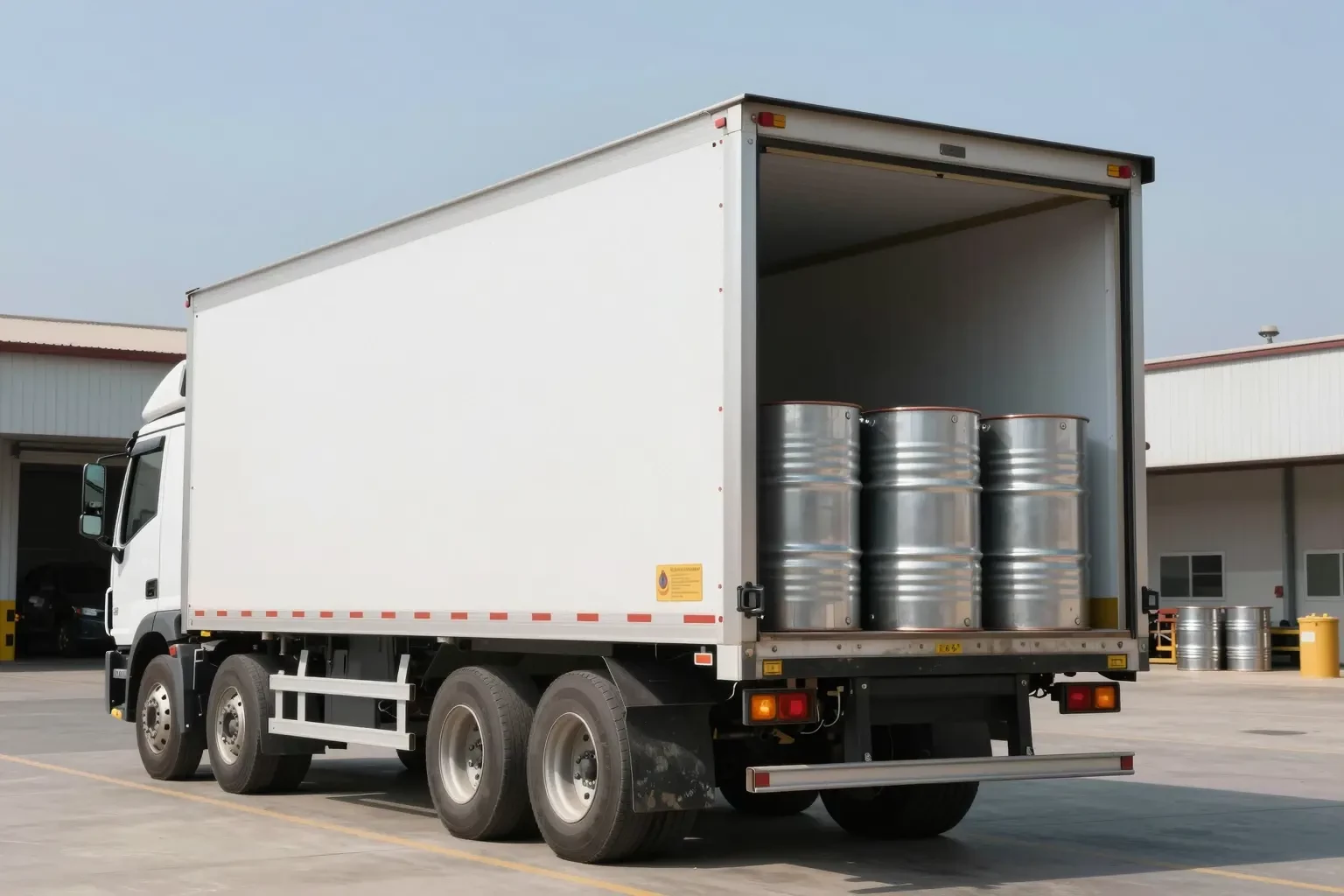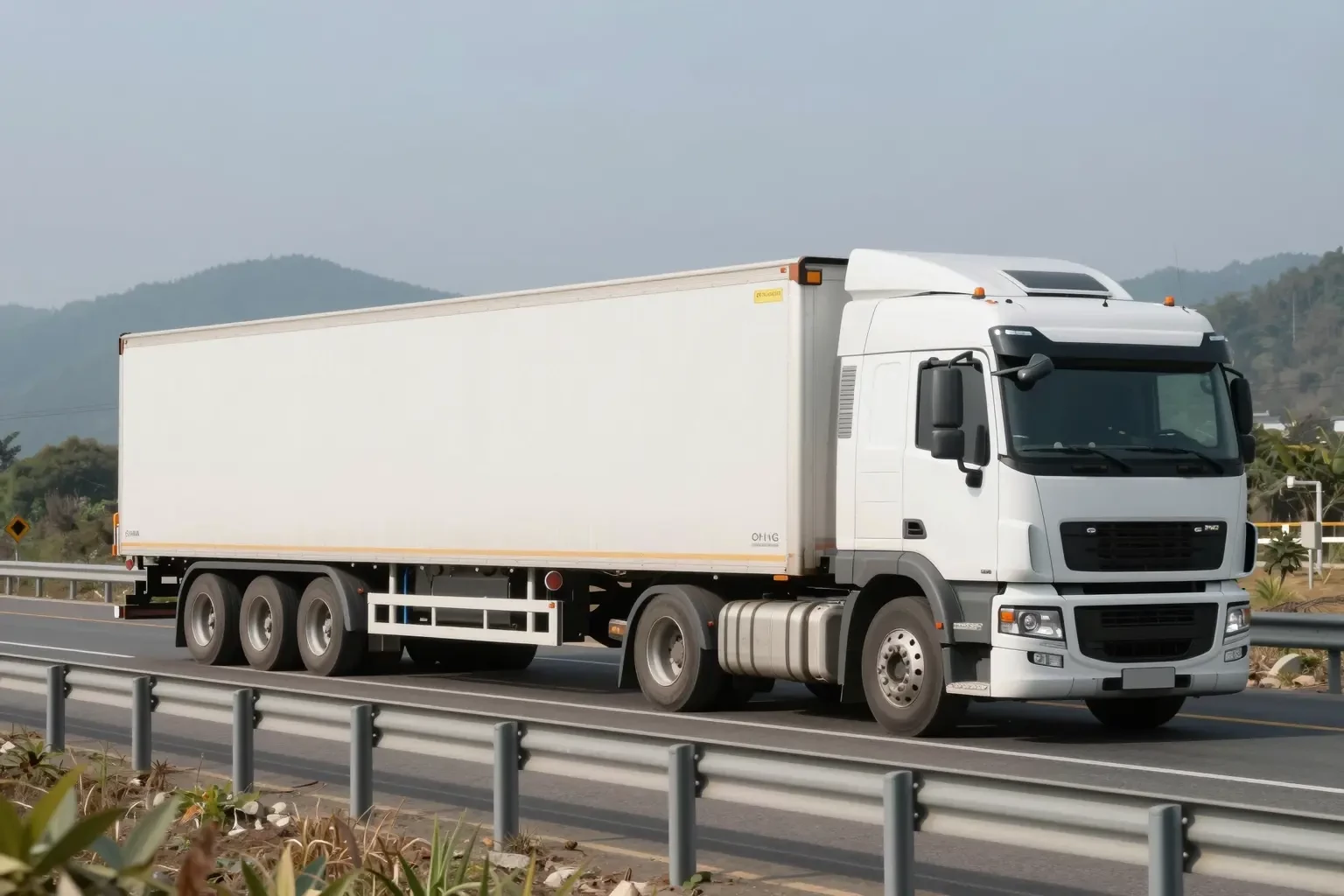




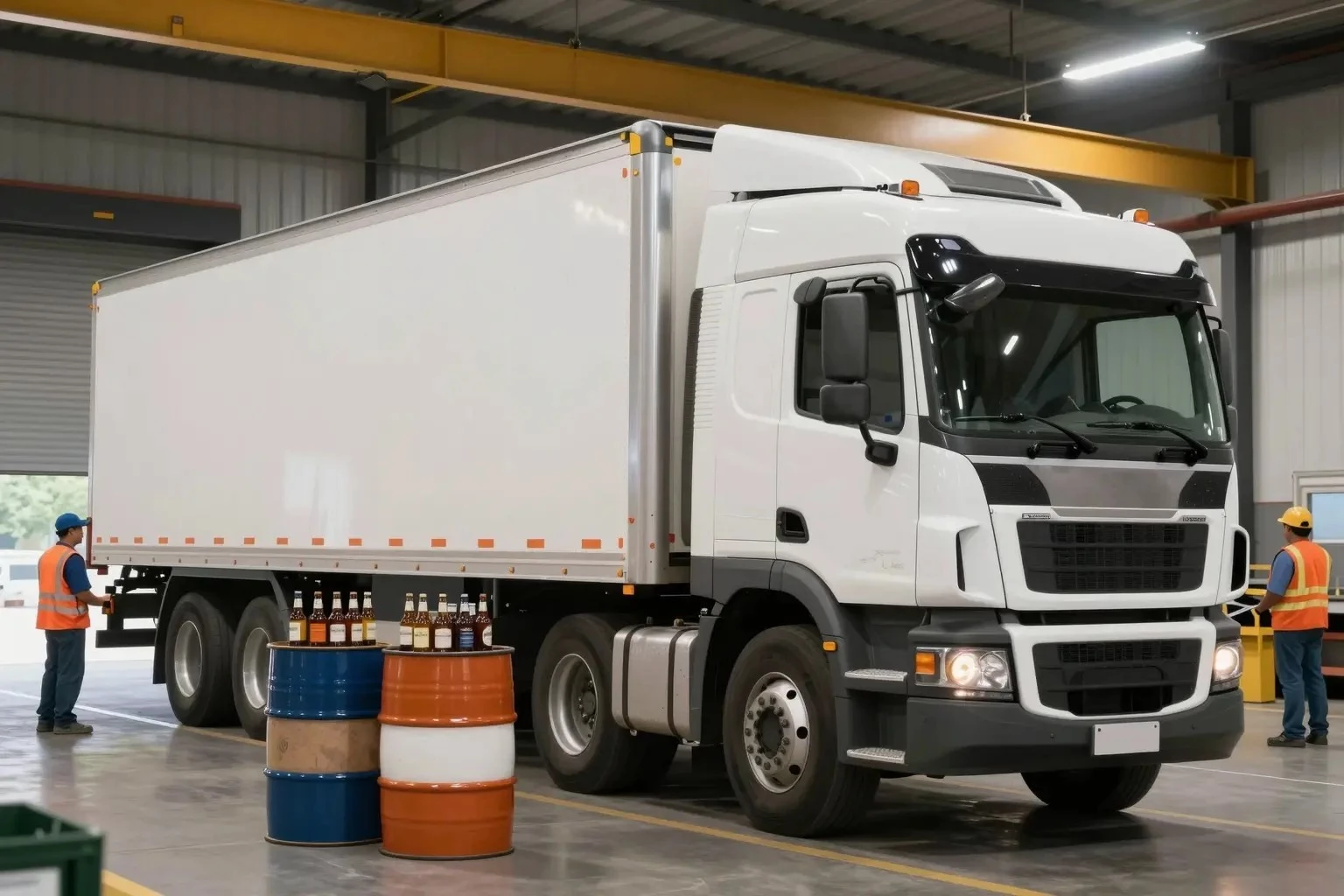
The transportation of beer and other alcoholic beverages is a significant aspect of the logistics and freight industry, often requiring specialized knowledge and compliance with specific regulations․ For trucking companies interested in venturing into this niche, understanding the legal, logistical, and operational requirements is crucial․ In this article, we explore the key considerations and steps your trucking company must take to effectively transport beer loads․
Understanding the Alcohol Transportation Industry
The transportation of alcohol, including beer, is a specialized segment within the broader logistics and transportation industry․ With the increasing demand for craft beers and the expansion of breweries, the need for efficient beer distribution has grown substantially․ However, transporting alcohol comes with unique challenges and responsibilities․
Compliance with Regulations and Permits
One of the most critical aspects of transporting beer is compliance with federal, state, and local regulations․ The Alcohol and Tobacco Tax and Trade Bureau (TTB) and the Federal Motor Carrier Safety Administration (FMCSA) are two key federal agencies overseeing alcohol transportation․ Additionally, each state has its own specific regulations, permits, and licenses required for the transportation of alcohol․
- Licensing: Your trucking company must obtain the necessary licenses to transport alcohol legally․ This often includes a federal permit from the TTB and possibly state-level permits․
- Permits: Depending on the states your company operates in, you may need additional permits for alcohol transportation․ These permits ensure that your operations align with the legal requirements for each jurisdiction․
- Legal Requirements: Adhering to regulations regarding who can receive shipments, reporting, and documentation is essential to maintain compliance․
Requirements for Commercial Vehicles
When it comes to transporting beer, the choice of commercial vehicles is significant․ Your fleet should be well-equipped to handle beer loads, taking into consideration factors such as temperature control to preserve the quality of the product․
- Temperature Control: Beer is a temperature-sensitive product․ Ensuring that your freight vehicles have the appropriate refrigeration or climate control systems can prevent spoilage and maintain product integrity during transport․
- Hauling Capacity: Your vehicles must be capable of handling the volume and weight of beer shipments․ Understanding the capacity limits and optimizing space are crucial aspects of effective logistics planning․
Logistical Considerations for Beer Transportation
The logistics involved in beer transportation require meticulous planning and execution․ This includes understanding the supply chain, managing freight, and ensuring timely delivery․
Supply Chain and Distribution
The beer supply chain involves multiple stakeholders, from breweries to distributors and retailers․ Efficient coordination among these entities is vital for successful distribution․
- Freight Management: Effective freight management ensures that beer is transported safely and efficiently․ This includes route planning, scheduling, and load optimization․
- Distribution Channels: Understanding the distribution channels, whether direct to retailers or through wholesalers, affects how you plan your deliveries and manage cargo loads․
Ensuring Safe and Timely Delivery
Meeting delivery deadlines while ensuring the safe handling of beer shipments is a key logistical challenge․ Employing best practices in logistics and leveraging technology can enhance delivery efficiency․
Challenges and Opportunities in the Beer Transportation Industry
While transporting beer presents challenges, it also offers opportunities for trucking companies to expand their services and increase revenue streams․
Challenges
Some common challenges include navigating regulatory complexities, maintaining compliance, and managing the logistics of temperature-sensitive cargo․
Opportunities
Opportunities arise from the growing demand for diverse beer varieties, the expansion of breweries, and innovations in logistics technology that facilitate better supply chain management․
In conclusion, transporting beer loads requires a comprehensive understanding of the regulatory landscape, logistical planning, and operational capabilities․ By securing the necessary permits, ensuring vehicle compliance, and optimizing logistics, your trucking company can successfully enter the beer transportation market, providing valuable services to breweries and distributors․
As the beer industry continues to grow and evolve, so too do the opportunities for trucking companies willing to invest in the necessary infrastructure and expertise to meet the demands of this dynamic sector․