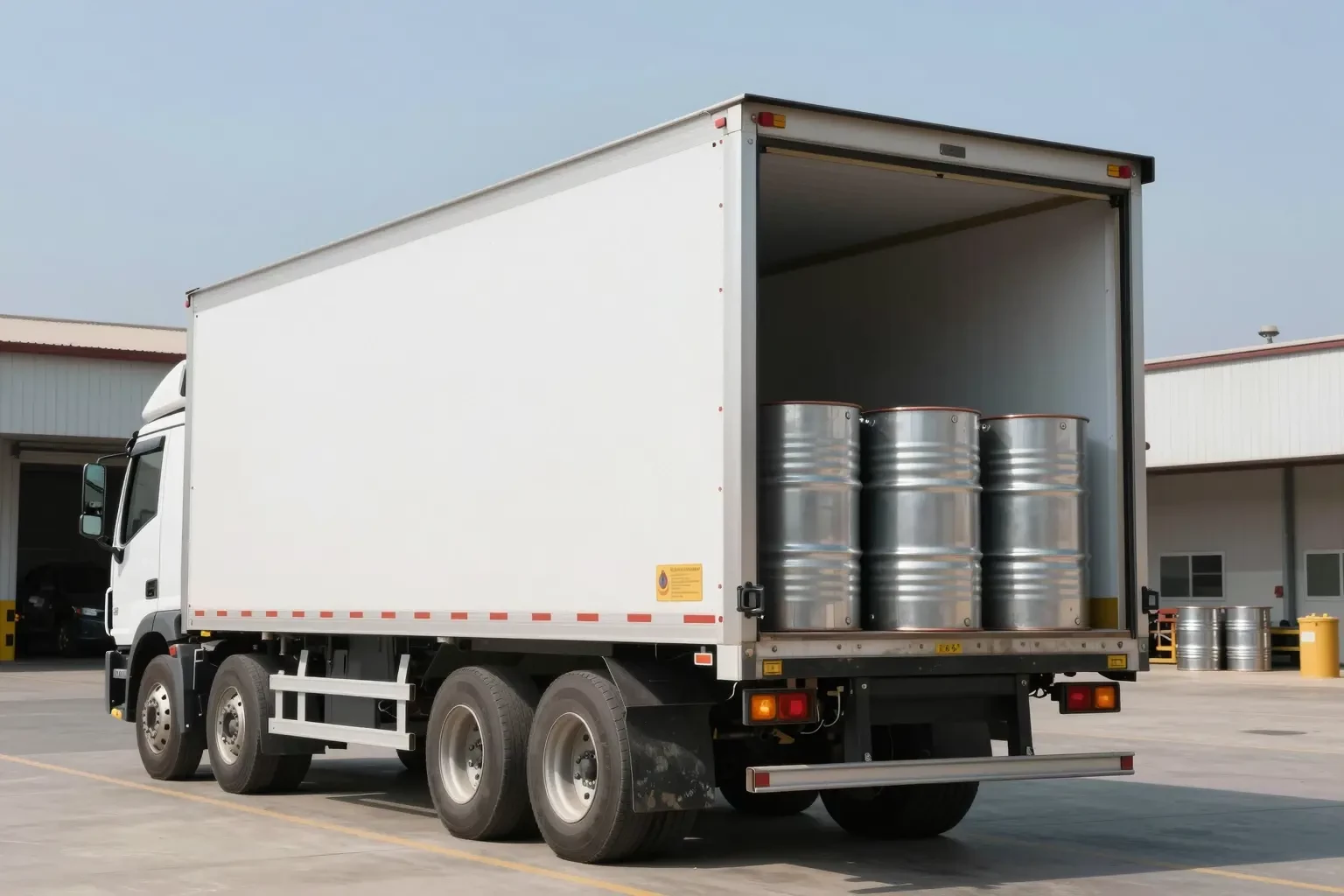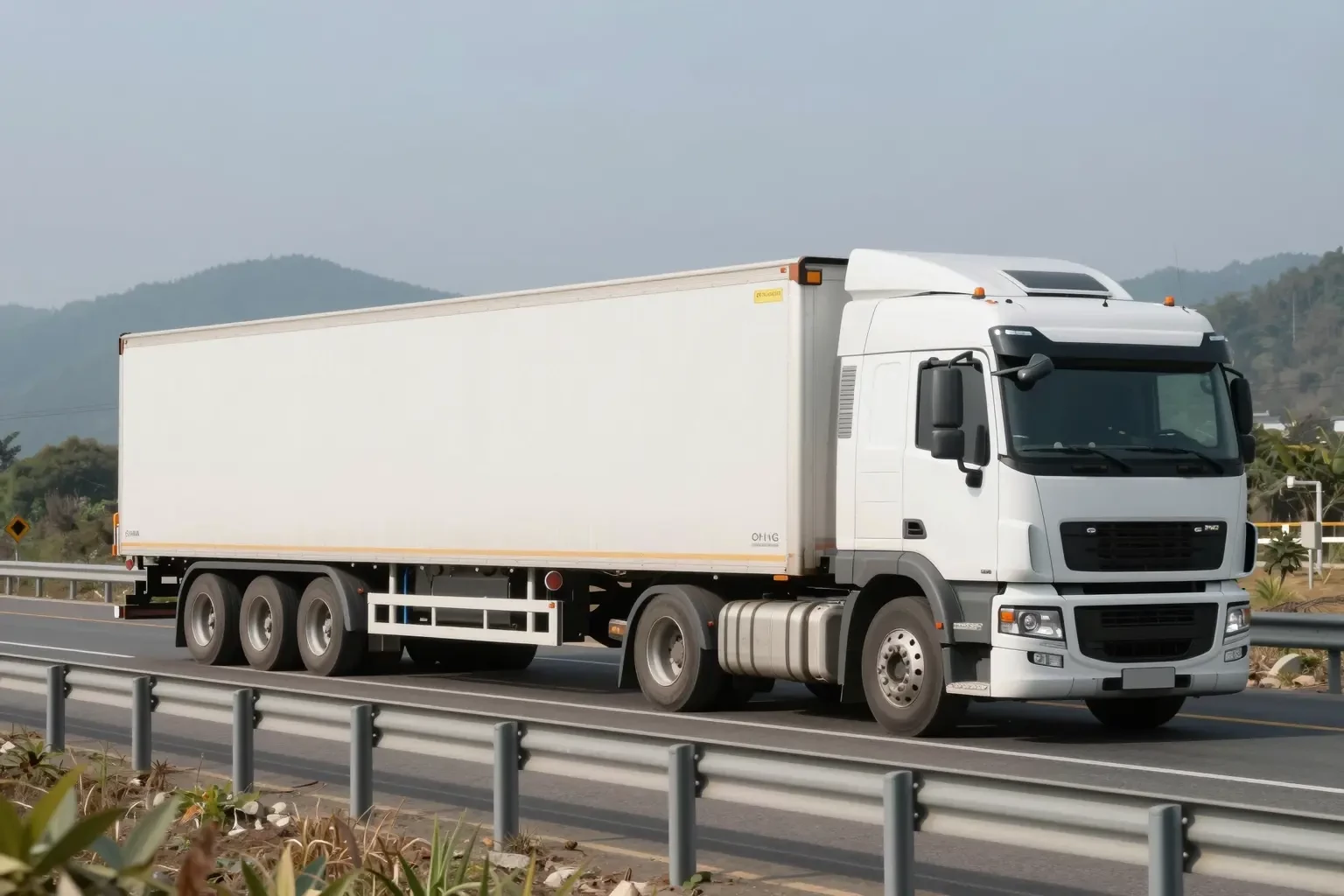

Freight transportation plays a crucial role in the global economy, with the trucking industry being a significant component of the logistics and supply chain. In 2018, the global landscape of cargo movement was heavily reliant on road transport, with trucks being the primary mode for goods delivery. This article delves into the percentage of goods transported by truck in 2018, highlighting the importance of trucking in freight efficiency and logistics management.
The Dominance of Trucking in Freight Transportation
In 2018, trucks were responsible for transporting a substantial portion of goods across various regions. According to industry statistics, approximately 70% to 75% of all freight in the United States was moved by trucks, underscoring the critical role of commercial vehicles in overland transport. This trend is not only prevalent in the United States but also mirrored in other parts of the world, where road transport is a key component of the transportation network.
The trucking industry is a vital cog in the distribution and shipping sector, with freight carriers facilitating the movement of goods from manufacturers to consumers. The reliance on trucking for goods delivery is driven by several factors, including the flexibility of road transport, the extensive transport infrastructure, and the ability to reach remote and rural areas where other modes of transportation might be less feasible.
Key Factors Contributing to Trucking’s Prevalence
- Flexibility: Trucks offer unparalleled flexibility in terms of routes and schedules, making them ideal for time-sensitive deliveries.
- Infrastructure: Well-developed road networks support efficient transport and distribution, enhancing freight efficiency.
- Accessibility: Trucks can access areas that are not connected by rail or air, ensuring comprehensive goods delivery.
- Cost-Effectiveness: For short to medium distances, trucking is often more cost-effective compared to other modes.
Logistics Management and the Trucking Industry
Logistics management is essential for optimizing the trucking industry’s operations, ensuring that freight volume is handled efficiently. In 2018, advancements in logistics technology and management practices contributed to improved freight efficiency, allowing for better route planning, load management, and fuel consumption. These enhancements were crucial in maintaining the economic viability of the trucking industry, even as demand for cargo transport increased.
Trucking Statistics and Economic Impact
The trucking industry is not only pivotal for freight transportation but also a significant economic driver. In 2018, the industry contributed billions to the economy, providing employment to millions and supporting ancillary sectors such as vehicle manufacturing and maintenance. Trucking statistics from that year indicate a robust growth in freight volume, driven by both domestic and international trade.
Moreover, the trucking industry was instrumental in supporting the supply chain by ensuring the timely delivery of goods, from raw materials to finished products; This capability was particularly crucial during peak seasons, when demand for freight services surged.
Challenges and Opportunities in the Trucking Industry
Despite its advantages, the trucking industry faced several challenges in 2018. These included rising fuel costs, regulatory changes, and the need for sustainable practices. However, these challenges also presented opportunities for innovation in areas such as alternative fuels, electric commercial vehicles, and enhanced logistics management systems.
In response to these challenges, many freight carriers adopted new technologies to improve efficiency and reduce environmental impact. The use of data analytics, telematics, and automated systems allowed for better monitoring of transportation networks, leading to more strategic decision-making and optimized operations.
The Future of Freight Transportation
As we look beyond 2018, the trucking industry’s future is poised for transformation, driven by technological advancements and evolving consumer demands. The integration of autonomous vehicles, the expansion of transport infrastructure, and the development of smart logistics solutions are expected to shape the next era of freight transportation.