

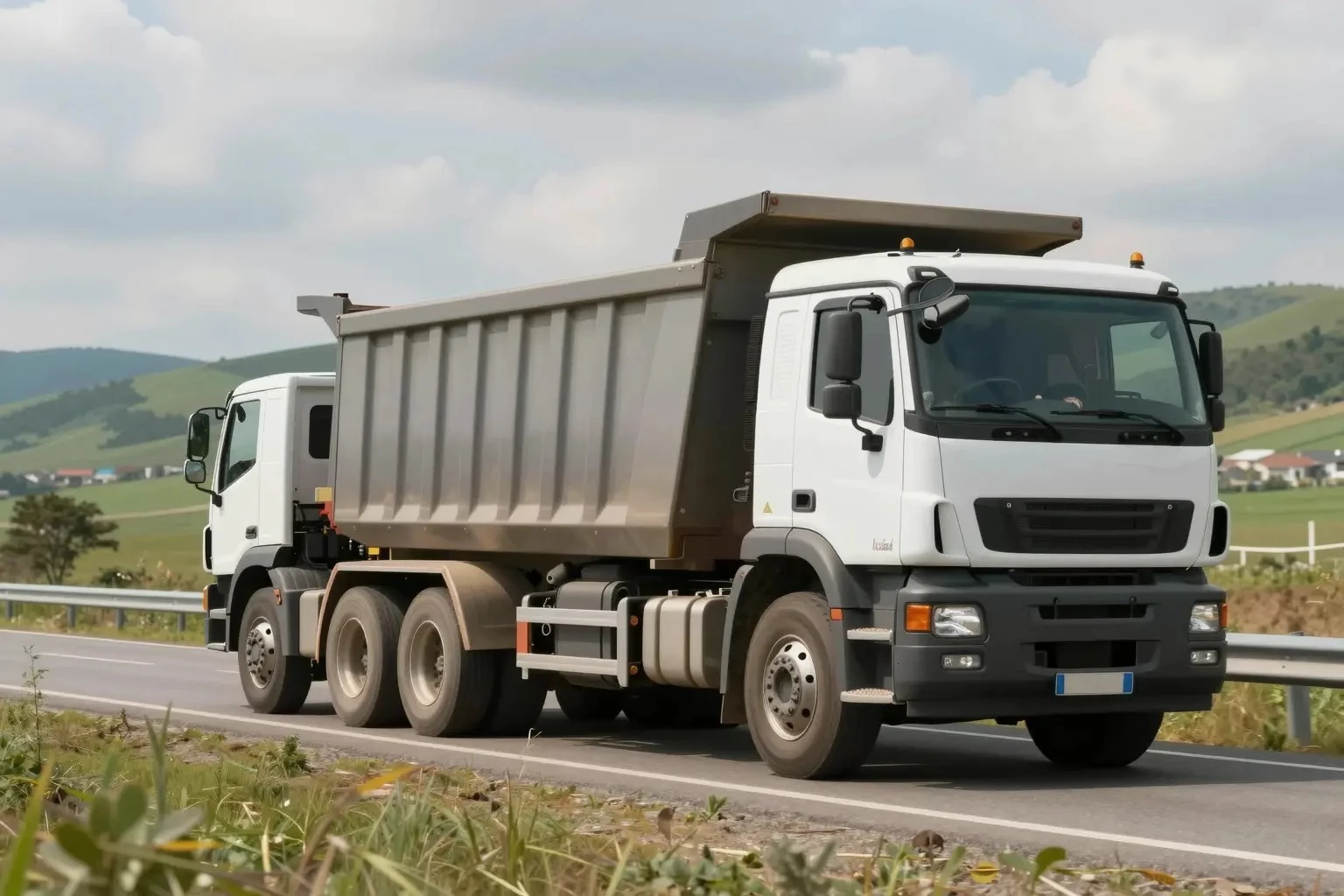
Transporting heavy machinery like dump trucks involves a complex set of logistical challenges and requires a thorough understanding of transportation logistics. This article delves into the various aspects of how dump trucks are transported, covering essential elements such as flatbed trailers, heavy haulers, permits, and safety precautions.
Transportation Logistics for Dump Trucks
Transporting dump trucks requires meticulous logistical planning to ensure safe and efficient delivery. The primary modes of transport include road transport, sea freight, and air transport. The choice of method depends on the distance, destination, and urgency of transport.
Flatbed Trailers and Heavy Haulers
For road transport, flatbed trailers and heavy haulers are commonly used. Flatbed trailers are ideal for carrying dump trucks due to their open design, which accommodates the vehicle’s size and weight. Heavy haulers, specialized carriers equipped to handle oversized loads, are designed to transport extremely heavy machinery like dump trucks.
Oversized Load and Permits
Dump trucks often qualify as an oversized load, necessitating special permits for transport. These permits vary by region and are crucial for ensuring compliance with transport regulations. Acquiring the necessary permits is a vital step in the transportation process and requires detailed logistical planning.
Escort Vehicles and Pilot Cars
When transporting oversized loads like dump trucks, escort vehicles or pilot cars are often required. These vehicles help navigate the transport route, manage traffic, and ensure the safety of the transport. They play a critical role in mitigating risks associated with moving large machinery on public roads.
Loading and Unloading
The process of loading and unloading dump trucks is a critical phase of transport. It often involves the use of crane services to lift the heavy machinery onto and off the transport trailers. Proper weight distribution during loading is essential to prevent damage and ensure stability during transit.
Shipping Routes and Route Survey
Choosing the right shipping routes is crucial for the safe and timely delivery of dump trucks. A route survey is conducted to identify the best paths, considering factors like road conditions, bridges, and potential obstacles. This survey helps in minimizing risks and ensuring compliance with transport regulations.
Freight Companies and Transport Regulations
Engaging experienced freight companies is advantageous for transporting dump trucks. These companies are well-versed in transport regulations and possess the expertise to handle the logistical complexities associated with oversized loads.
Safety Precautions
Safety is paramount when transporting heavy machinery. Adhering to safety precautions helps prevent accidents and ensures the protection of both the equipment and personnel involved. This includes ensuring proper securement of the load, regular maintenance of transport vehicles, and adherence to speed limits.
Dismantling and Assembly
In some cases, dismantling the dump truck into smaller components may be necessary to facilitate transport. Upon reaching the destination, reassembly is required. This process demands skilled technicians to ensure the equipment is reassembled correctly and functions as intended.
Weight Distribution and Equipment Relocation
Proper weight distribution is crucial for the safe transport of dump trucks. This involves strategically placing the machinery on the trailer to maintain balance and prevent tipping. Efficient equipment relocation minimizes transport risks and ensures timely delivery.
Transporting dump trucks involves a comprehensive understanding of transportation logistics, including the use of flatbed trailers, heavy haulers, and specialized carriers. It requires obtaining the necessary permits, conducting route surveys, and adhering to safety precautions. By leveraging the expertise of freight companies and engaging in meticulous planning, the process of moving dump trucks can be executed efficiently and safely.