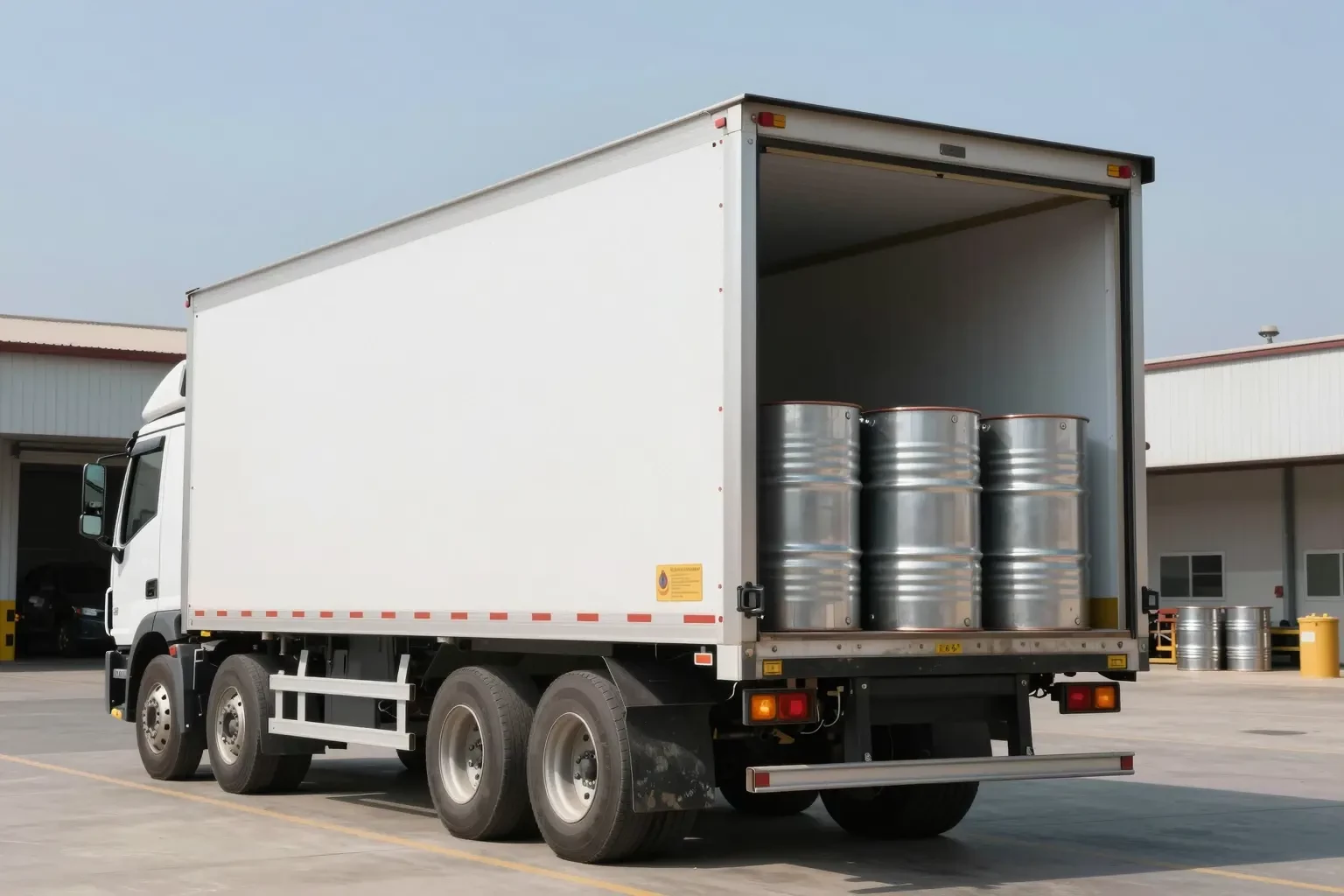



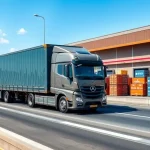

The trucking industry plays a vital role in the logistics and transportation sector‚ ensuring the delivery of goods across vast distances. Understanding the payment structure for truck drivers and transporters is crucial‚ not only for those within the industry but also for businesses relying on logistics services. This article delves into the various components of truck drivers’ compensation‚ examining factors such as freight rates‚ mileage‚ salary‚ and more.
Compensation Components
Truck drivers are compensated through a combination of different payment structures‚ each designed to address the diverse nature of the trucking industry. Below are key components that determine truck drivers’ earnings:
Mileage-Based Pay
One of the most common payment structures in the trucking industry is mileage-based pay. Drivers are compensated based on the number of miles driven‚ providing a straightforward way to calculate earnings. This method ensures that drivers are paid in proportion to the distance covered‚ aligning their compensation with the workload.
Hourly Rate
In some cases‚ drivers may receive an hourly rate. This payment structure is often applied to local or regional routes where distances are shorter‚ and the focus is on the time spent on the road rather than the mileage covered.
Salary
Some transportation companies offer a fixed salary to their drivers. This approach provides stability and predictability in earnings‚ making it an attractive option for drivers who prefer a consistent income. Salaried drivers are typically involved in dedicated routes or specialized freight that requires a regular schedule.
Per Diem
Per diem payments are allowances given to drivers to cover daily expenses while on the road‚ such as meals and lodging. This compensation is especially relevant for long-haul drivers who spend extended periods away from home.
Load-Based Pay
Load-based pay compensates drivers based on the specific loads they transport. This method incentivizes efficiency and ensures that drivers are rewarded for handling more freight or higher-value loads.
Owner-Operator Payment Structure
Owner-operators‚ who own and operate their trucks‚ have a distinct payment structure. They negotiate contracts directly with transportation companies or clients‚ allowing for greater flexibility in terms of compensation. Key components include:
Contract Negotiation
Owner-operators have the ability to negotiate contracts that specify their rates and conditions. This autonomy allows them to secure agreements that reflect their driving experience and preferences.
Freight Rates
Owner-operators often set their freight rates‚ which can vary based on market conditions‚ distance‚ and load type. Understanding current freight rates is essential for maximizing earnings.
Fuel Surcharge
To offset fluctuating fuel costs‚ owner-operators may include a fuel surcharge in their contracts. This surcharge is designed to protect their earnings from the impact of rising fuel prices.
Benefits and Additional Compensation
In addition to base pay‚ truck drivers may receive various benefits and additional compensation‚ enhancing their overall earnings package:
Health Insurance
Many transportation companies offer health insurance benefits‚ providing drivers with coverage for medical expenses. This is a significant component of the overall compensation package.
Retirement Plans
Retirement plans‚ such as 401(k) programs‚ are often available to drivers. These plans help drivers save for their future and provide a sense of financial security.
Bonuses and Incentives
Drivers may receive bonuses for meeting certain performance benchmarks‚ such as safe driving records or reaching mileage targets. These incentives encourage high standards and reward exceptional performance.
Factors Influencing Driver Compensation
Several factors influence how much drivers are paid‚ reflecting the complexity and variability of the trucking industry:
Driving Experience
Experienced drivers typically command higher compensation due to their expertise and reliability. Companies value the skills and knowledge that come with years of driving‚ often translating into better pay rates.
Type of Freight
The type of freight being transported can impact compensation. Hazardous materials or oversized loads‚ for example‚ often require specialized skills and certifications‚ leading to higher pay.
Geographical Location
Regional differences in freight rates and cost of living can affect driver compensation. Certain areas may offer higher pay due to demand or challenging driving conditions.
Market Demand
Market demand for transportation services fluctuates‚ influencing freight rates and‚ consequently‚ driver compensation. During high-demand periods‚ drivers may benefit from increased rates.
Challenges and Considerations
While the trucking industry offers various compensation structures‚ drivers face challenges that can impact their earnings:
Economic Fluctuations
Economic conditions can affect freight demand and rates‚ impacting drivers’ earnings. Drivers must be adaptable to changing circumstances and market dynamics.
Regulatory Compliance
Compliance with regulations‚ such as hours of service and safety standards‚ is essential but can also limit driving hours and‚ consequently‚ earnings.
Truck drivers and transporters are compensated through a multifaceted structure that reflects the diverse nature of the industry. From mileage-based pay to salary and per diem‚ drivers’ earnings are influenced by factors such as driving experience‚ freight type‚ and market conditions. Understanding these components is crucial for both drivers and transportation companies to ensure fair and competitive compensation‚ ultimately supporting the crucial role of the trucking industry in global logistics.