

Transporting a monster truck involves a complex process that encompasses multiple aspects of logistics, including specialized equipment, permits, and route planning. The sheer size and weight of these oversized vehicles require careful consideration and planning. In this article, we will explore the intricacies of transporting a monster truck, focusing on transportation, haulers, trailers, safety, and road regulations.
The Importance of Proper Transportation
Monster trucks are not your average commercial vehicles. They are massive in dimensions and weight, often exceeding regular road limits. Thus, transporting them requires specialized carriers and equipment designed to handle oversized loads. The primary goal is to ensure the safe and efficient movement of the vehicle from one location to another without causing damage or violating road regulations.
Choosing the Right Hauler and Trailer
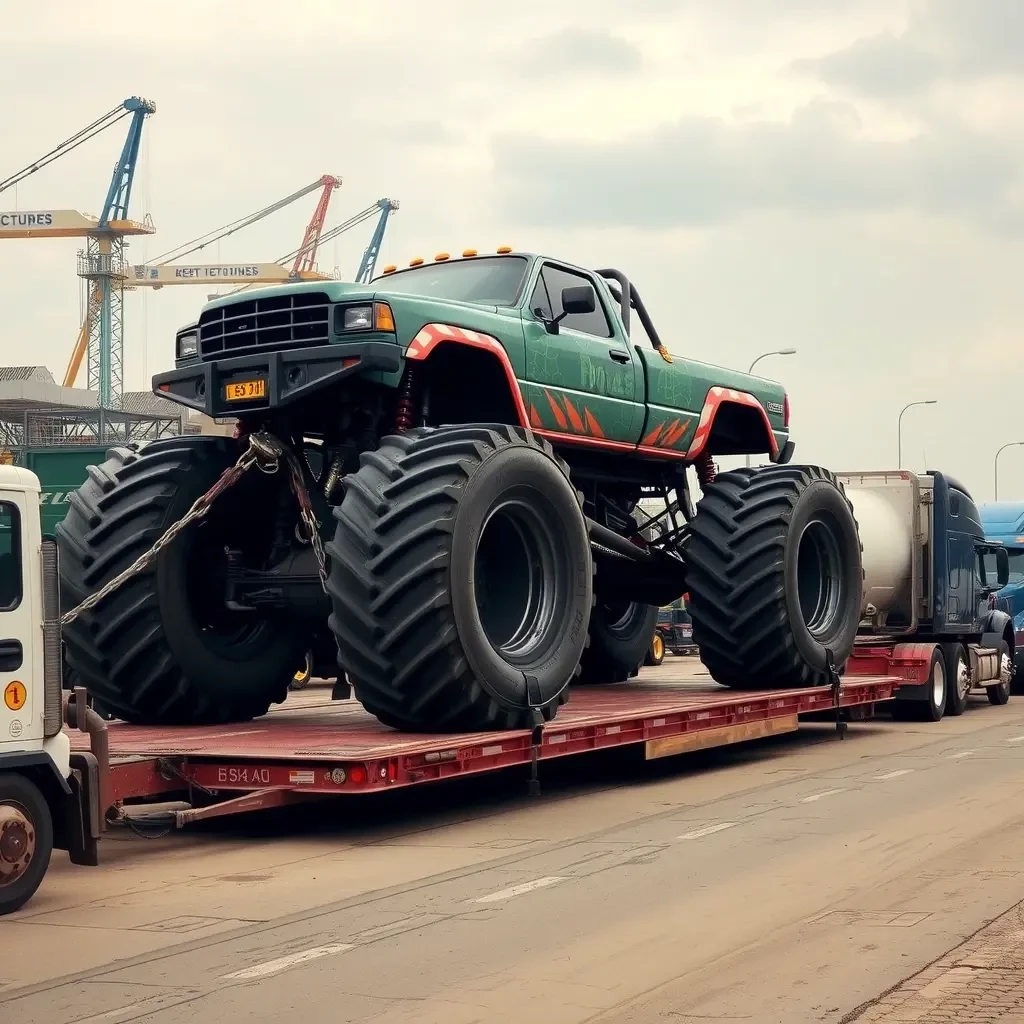
Selecting an appropriate hauler and trailer is crucial. Given the monster truck’s size, a flatbed or step-deck trailer is typically used. These trailers are designed to accommodate the height and width of the monster truck, ensuring a stable and secure transport. The trailer must be equipped to handle the weight of the vehicle, which can be several tons.
Logistics and Specialized Carriers
Logistics play a vital role in the transportation process. Specialized carriers are often employed due to their expertise in handling oversized loads. These carriers understand the nuances of vehicle transport, including loading and unloading procedures, securing the load, and adhering to legal requirements. They also possess the necessary equipment to manage such tasks effectively.
Permits and Road Regulations
Transporting a monster truck requires obtaining specific permits. These permits are essential as they grant the legal authority to transport oversized loads on public roads. Each state or region may have different requirements, making it crucial to research and apply for the necessary permits well in advance. Failing to secure these permits can result in fines or delays.
Safety Considerations
Safety is paramount when transporting a monster truck. The vehicle must be securely fastened to the trailer to prevent shifting during transit. This involves using heavy-duty chains and straps. Additionally, the truck’s tires may be deflated to reduce height and ensure it fits within legal dimensions. Drivers must be well-trained in handling such loads, particularly in terms of maneuvering and braking.
Route Planning
Effective route planning is essential to avoid obstacles such as low bridges, narrow roads, or heavy traffic areas. It’s important to select routes that can accommodate the size and weight of the monster truck. This may involve working with local authorities to identify suitable paths and ensure compliance with all road regulations.
Loading and Unloading Procedures
Loading and unloading a monster truck requires precision and expertise. The process typically involves using ramps or lifting equipment to position the vehicle onto the trailer. The loading area must be clear of obstacles and provide enough space for safe operation. Unloading follows a similar process, with careful attention to preventing any damage to the truck or surrounding area.
Trucking and Equipment
Trucking a monster truck involves the use of specific equipment tailored to the vehicle’s needs. This includes winches, ramps, and support brackets. The equipment must be in excellent condition to minimize the risk of failure during the transport. Routine maintenance and inspections are necessary to ensure all components are functioning correctly.
Shipping and Vehicle Transport
Shipping a monster truck is a delicate process that requires attention to detail. It’s essential to work with reputable transport companies that have experience in handling such unique vehicles. These companies provide insurance and guarantees to protect against potential damages during shipping, offering peace of mind to the vehicle owner.