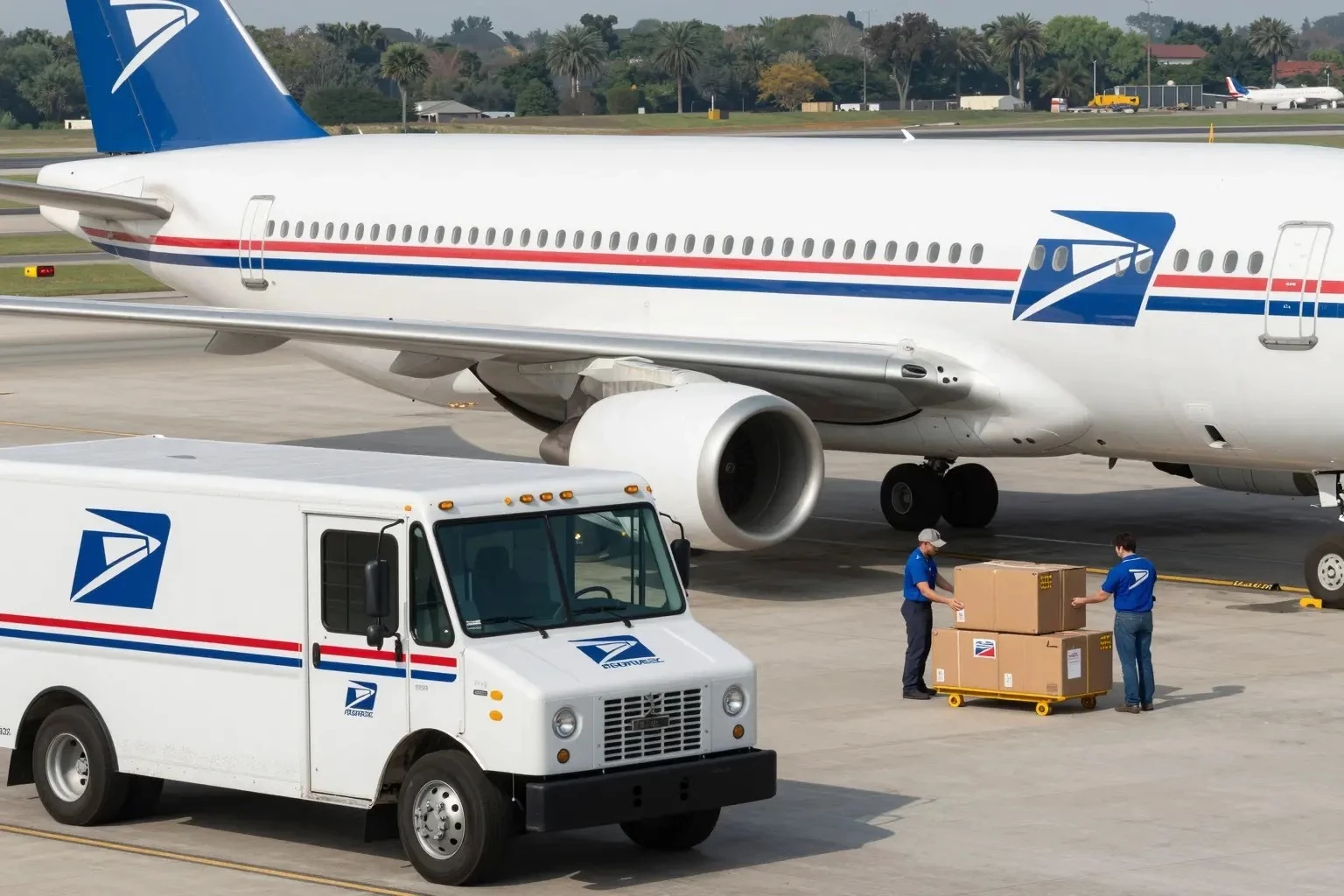
The United States Postal Service (USPS) is a vital component of the nation’s infrastructure, responsible for ensuring that mail and parcels are delivered efficiently across the country. To accomplish this, the USPS employs a sophisticated logistics strategy that involves both air and ground transport methods. In this article, we will explore the various shipping methods utilized by USPS, focusing on the roles of planes and trucks in their delivery network.
USPS Transportation: Planes vs. Trucks
USPS utilizes a combination of air transport and ground transport to deliver mail and parcels across the United States. The choice between using planes or trucks depends on several factors, including distance, delivery speed requirements, and cost. Let’s discuss how each mode of transport fits into the USPS logistics strategy.
Air Transport: Moving Mail Quickly Across Distances
Air transport is an essential component of USPS’s logistics strategy, especially for long-distance mail delivery. Planes are used primarily for transporting mail and parcels over long distances where speed is a crucial factor. By partnering with commercial airlines, USPS can leverage existing air freight infrastructure to quickly move mail across the country.
Advantages of Using Planes:
- Speed: Air transport significantly reduces the time it takes to deliver mail across large distances.
- Efficiency: Planes can carry large volumes of mail and parcels, making them suitable for high-demand routes.
Despite these advantages, air transport is generally more expensive than ground transport, which means it is typically reserved for priority and express mail services.
Ground Transport: The Backbone of Mail Delivery
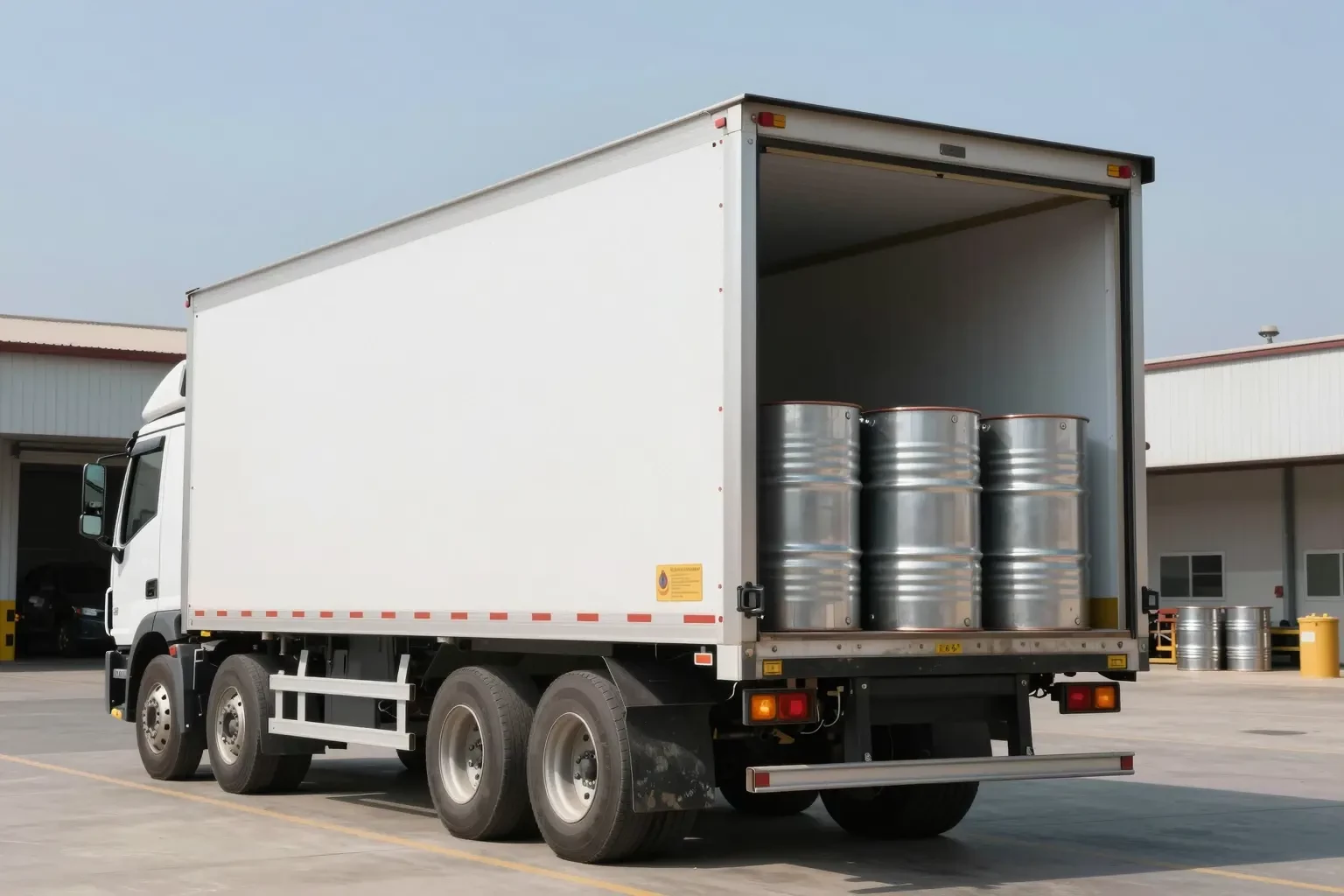
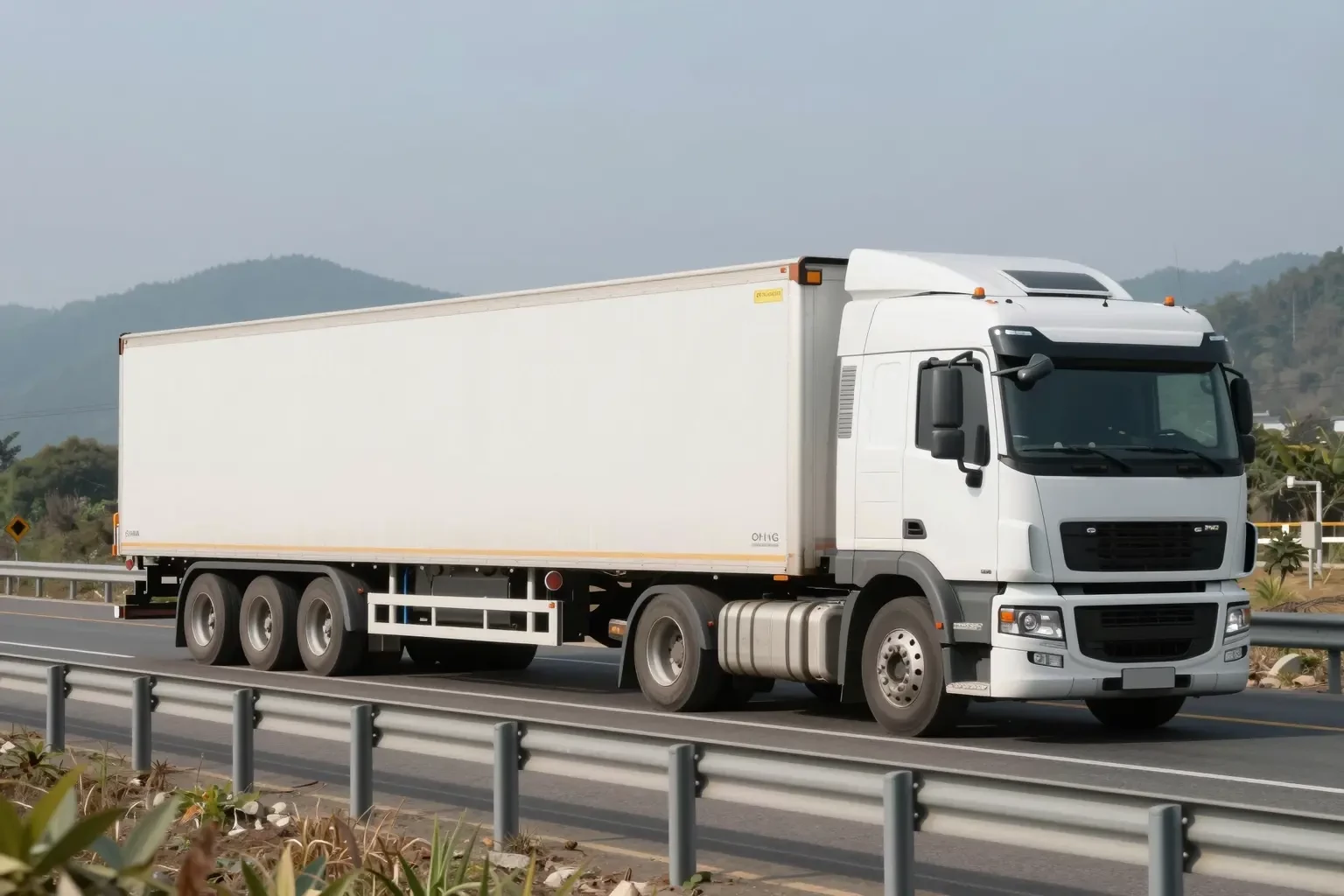
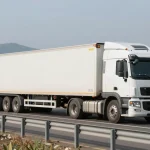
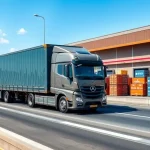
While planes serve a critical role in long-distance delivery, trucks form the backbone of USPS’s ground transport network. The extensive network of trucks ensures that mail and parcels can be delivered efficiently within regions and across shorter distances.
Advantages of Using Trucks:
- Cost-effectiveness: Ground transport is generally less expensive than air transport, making it ideal for standard mail delivery.
- Flexibility: Trucks can access locations that are unreachable by planes, offering door-to-door delivery services.
- Capacity: Trucks can carry a wide range of freight sizes, from small parcels to large shipments.
Trucks are used extensively for local and regional deliveries, where the emphasis is on accessibility and cost-efficiency.
Logistics Strategy and Delivery Network
USPS’s logistics strategy relies on a well-coordinated delivery network that integrates both air and ground transport to meet the diverse needs of its customers. The strategy involves optimizing routes, managing freight effectively, and ensuring timely delivery.
Distribution Centers and Hubs
USPS operates numerous distribution centers and hubs strategically located across the country. These centers serve as pivotal points in the delivery network, where mail and parcels are sorted and routed to their final destinations. The strategic placement of these centers ensures efficient handling and transfer between air and ground transport.
Shipping Methods and Parcel Management
USPS offers a variety of shipping methods tailored to different delivery needs. These include:
- Priority Mail Express: Offers overnight delivery to most locations in the U.S., utilizing both air and ground transport as necessary.
- Priority Mail: Provides fast delivery within 1-3 business days, using a combination of air and ground transport depending on the distance.
- First-Class Mail: Economical option for lightweight parcels, primarily utilizing ground transport.
- Parcel Select: Offers cost-effective ground shipping for large or heavy parcels.