
In the world of logistics, medium-duty trucks play a pivotal role in the intricate web of freight and cargo transportation. These vehicles are the backbone of distribution, enabling efficient delivery within supply chains. In this article, we will explore the essential elements involved in designing a medium-duty trucking company, focusing on logistics management, fleet operations, and transport services.
Understanding the Role of Medium-Duty Trucks
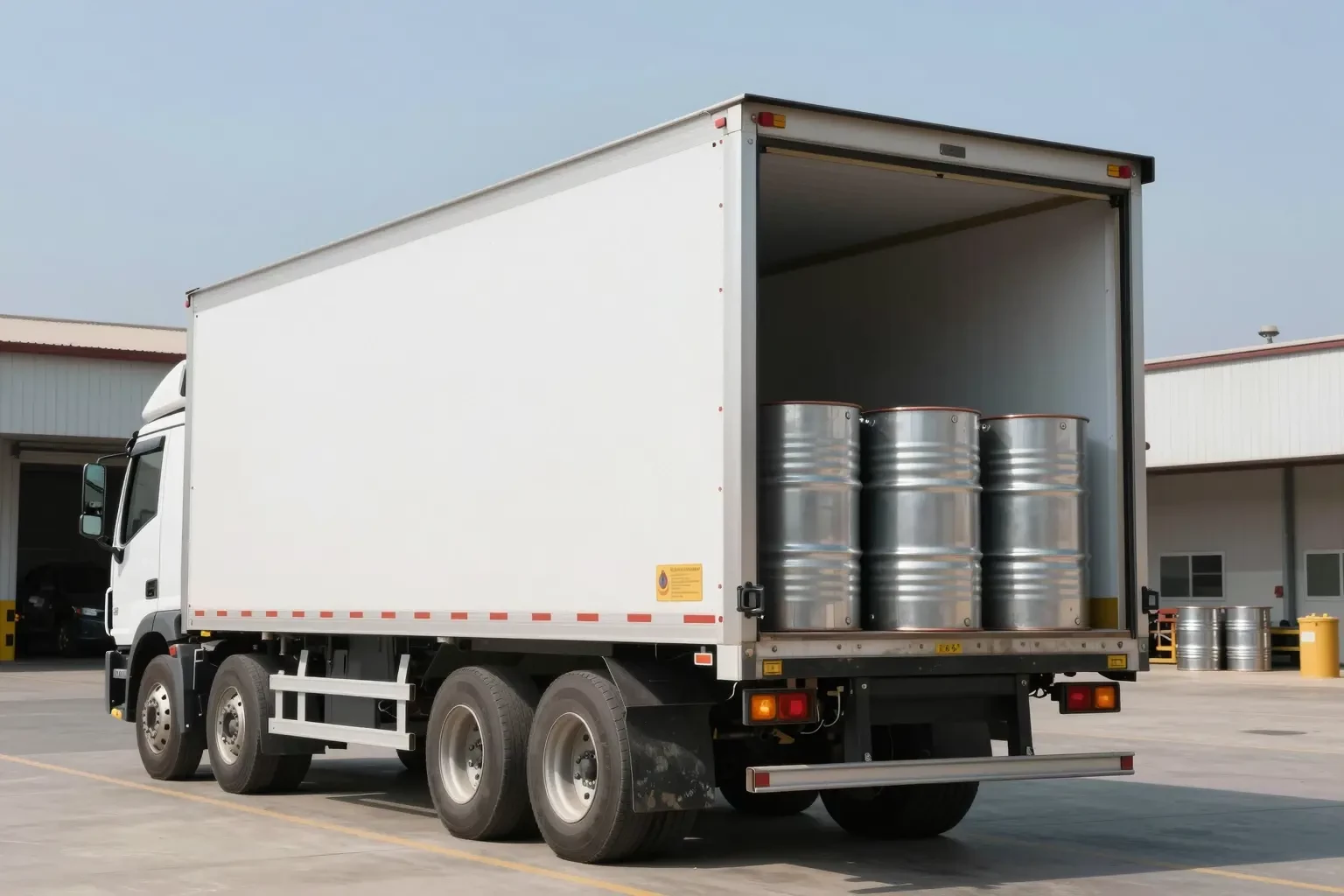
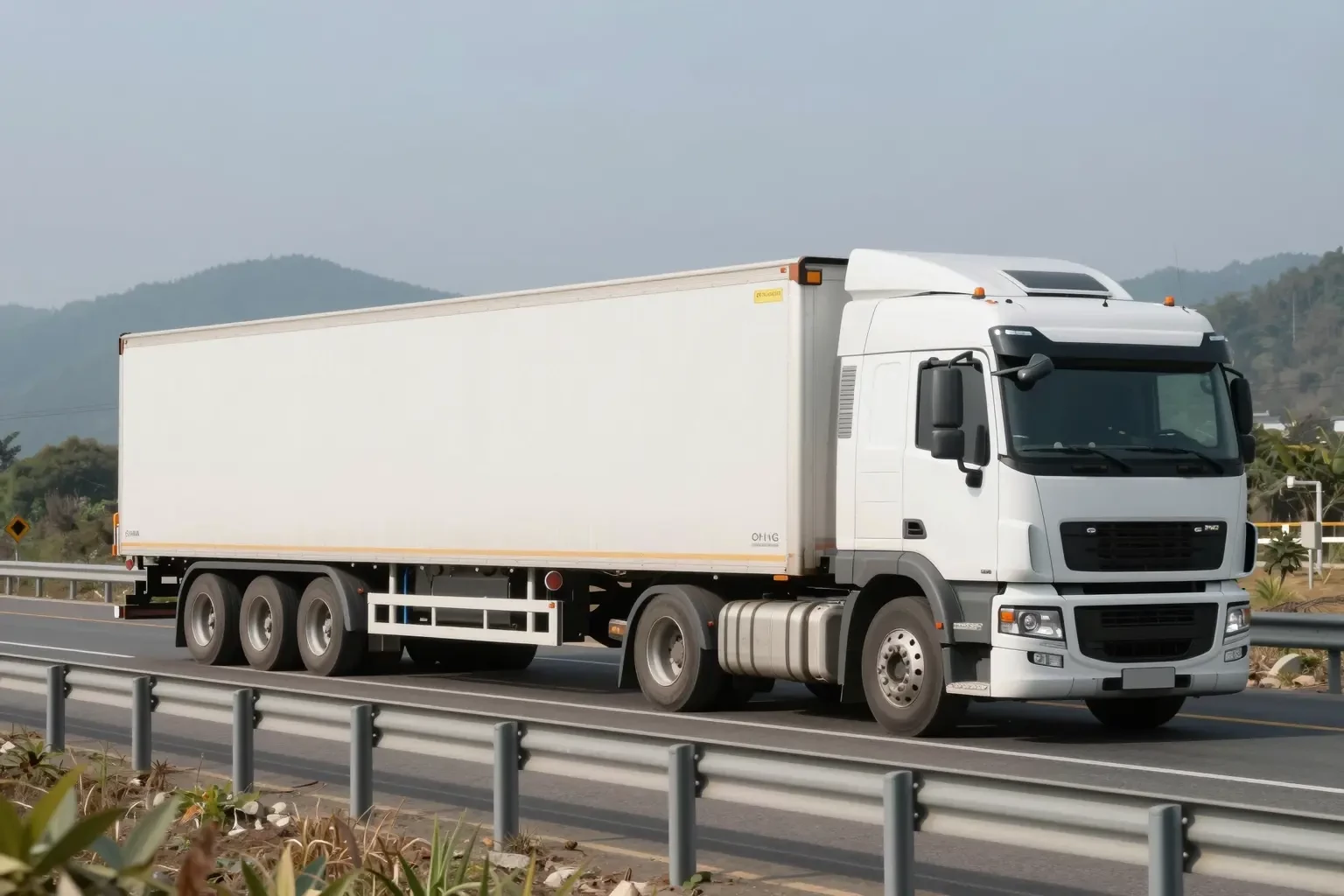
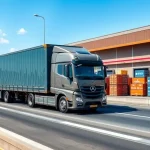
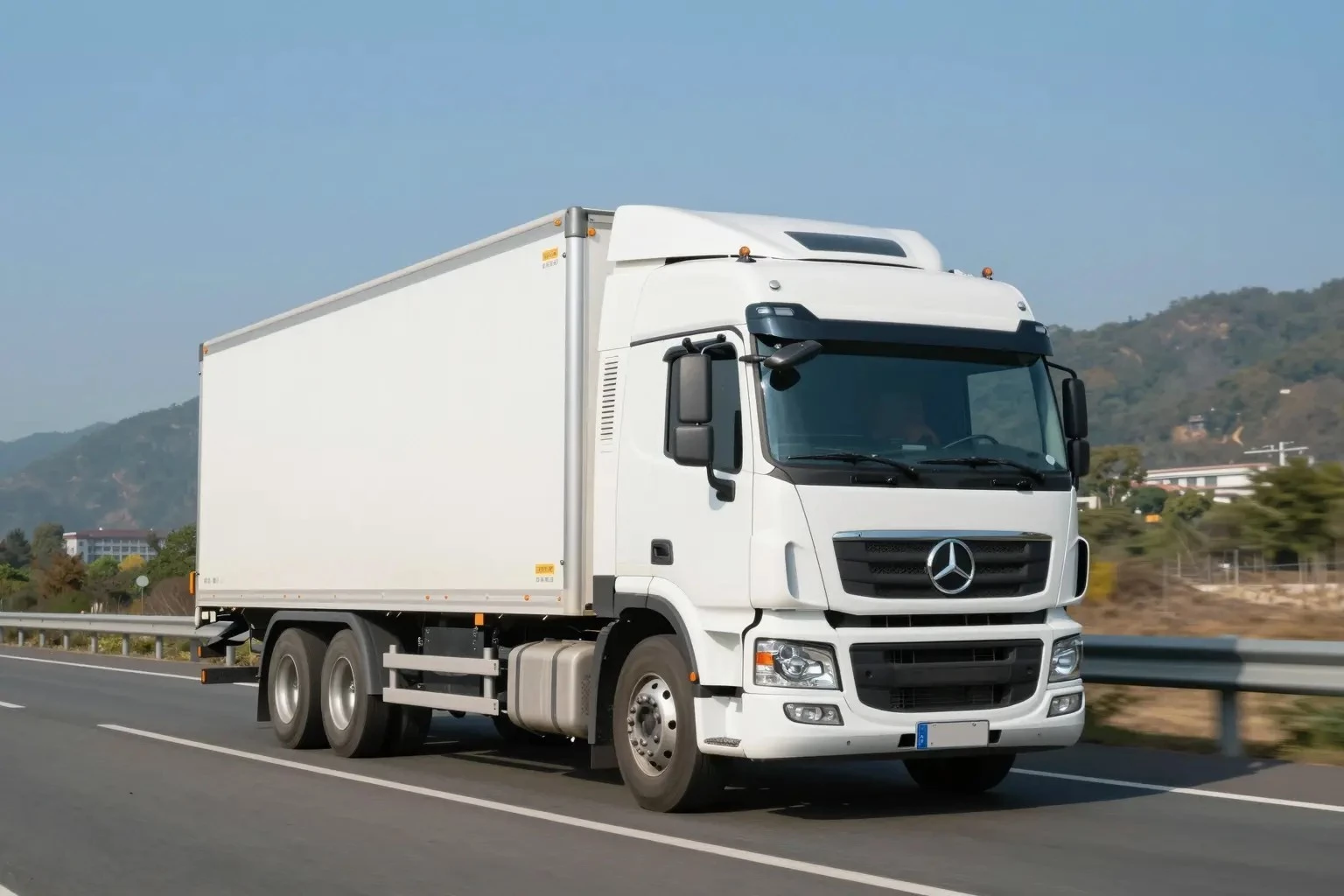
Medium-duty trucks are commercial vehicles that fall between light-duty and heavy-duty trucks. Their load capacity is typically between 10,000 to 26,000 pounds, making them ideal for urban and regional distribution. They are crucial in the freight industry for their versatility in route planning and ability to access areas where larger trucks might struggle.
Key Features of Medium-Duty Trucks
- Load Capacity: These trucks offer optimal load capacity for regional deliveries, balancing between payload and fuel efficiency.
- Diesel Engines: Most medium-duty trucks are equipped with diesel engines, known for their durability and efficiency in long-haul operations.
- Maneuverability: Their size allows them to navigate urban environments more easily than larger commercial vehicles.
Logistics Management and Fleet Operations
Efficient logistics management is crucial for any trucking company. It involves strategic planning and execution of freight transportation to meet customer demands. For a medium-duty truck company, this includes optimizing fleet operations and ensuring effective cargo delivery.
Components of Logistics Management
- Route Planning: Effective route planning minimizes travel time and fuel costs, enhancing the overall efficiency of transportation services.
- Load Management: Proper load management ensures that trucks carry the maximum permissible load, optimizing the use of available resources.
- Fleet Maintenance: Regular maintenance of trucks is essential to avoid downtime and ensure safety on the road.
Optimizing Company Operations
For a trucking company, optimizing operations involves focusing on several key areas:
- Technology Integration: Leveraging technology for real-time tracking of vehicles and cargo enhances efficiency and service quality.
- Driver Training: Well-trained drivers are crucial for safe and timely deliveries, reducing the risk of accidents and delays.
- Regulatory Compliance: Adhering to regulations related to road transport ensures legal compliance and avoids potential fines.
Supply Chain Integration
Medium-duty truck companies are integral to the supply chain, connecting various nodes from manufacturers to end consumers. Effective integration with the supply chain enhances the flow of goods and provides a competitive edge in the market.
Role in the Supply Chain
- Distribution: Medium-duty trucks are ideal for last-mile distribution, delivering goods directly to retail outlets or customers.
- Flexibility: Their ability to handle diverse cargo types makes them suitable for various industries, from retail to manufacturing.
- Scalability: As a business grows, medium-duty fleets can be easily expanded to meet increasing demand.
Challenges and Opportunities
While medium-duty trucking companies offer numerous benefits, they also face challenges, such as rising fuel costs and environmental concerns. However, these can be mitigated through innovative strategies and technologies.
Addressing Challenges
- Fuel Efficiency: Investing in fuel-efficient vehicles and adopting eco-friendly practices can reduce operational costs.
- Alternative Fuels: Exploring alternative fuels like biodiesel or electric trucks can address environmental concerns and regulatory pressures.
- Technology Advances: Embracing advancements in logistics technology, such as automated route optimization and telematics, can enhance service delivery.
Seizing Opportunities
Despite the challenges, the logistics industry presents numerous opportunities for medium-duty trucking companies, particularly in the realm of e-commerce and urban delivery services.
- E-commerce Growth: The rise of e-commerce has increased demand for efficient delivery services, providing a significant growth area for medium-duty trucks.
- Urbanization: As cities expand, the need for reliable urban transport services becomes more critical, positioning medium-duty trucks as a vital component of city logistics.
- Partnerships: Forming strategic partnerships with other logistics providers and leveraging shared resources can enhance service offerings and market reach.
Designing a successful medium-duty truck company requires a comprehensive approach to logistics, fleet management, and supply chain integration. By focusing on efficiency, sustainability, and adaptability, these companies can navigate the complexities of the logistics industry and capitalize on emerging opportunities. With the right strategies and innovations, medium-duty trucking companies can play a crucial role in shaping the future of transportation and distribution.