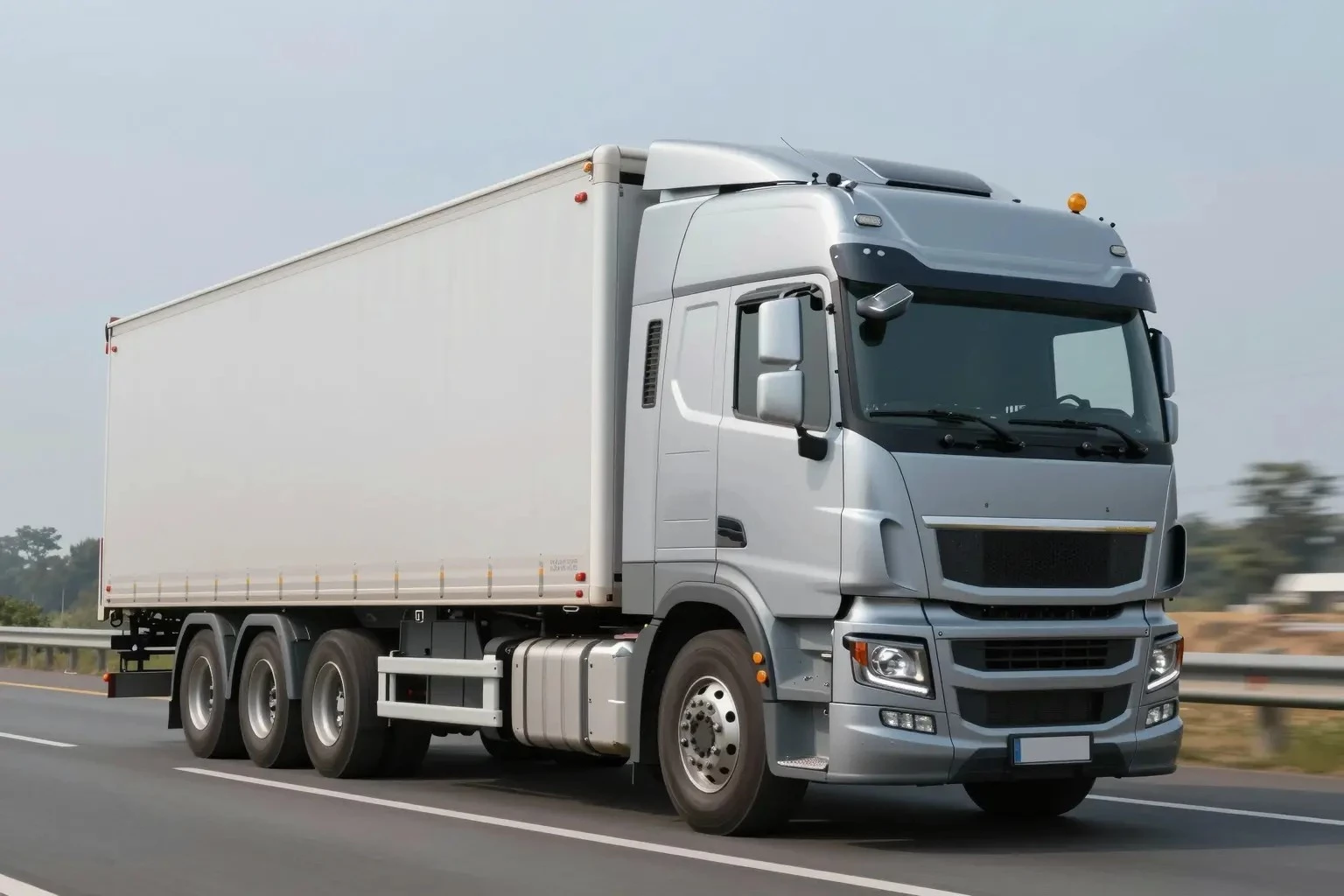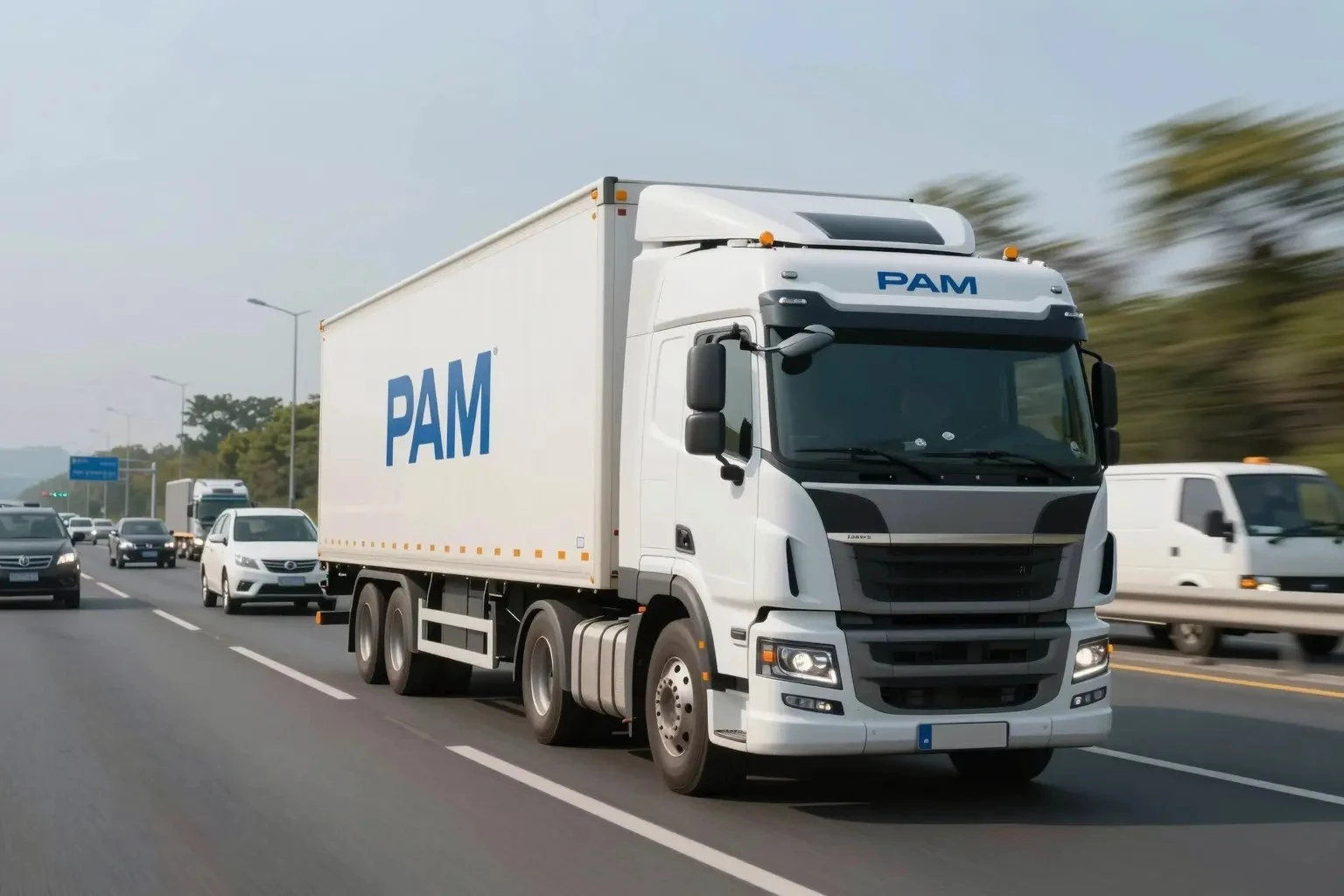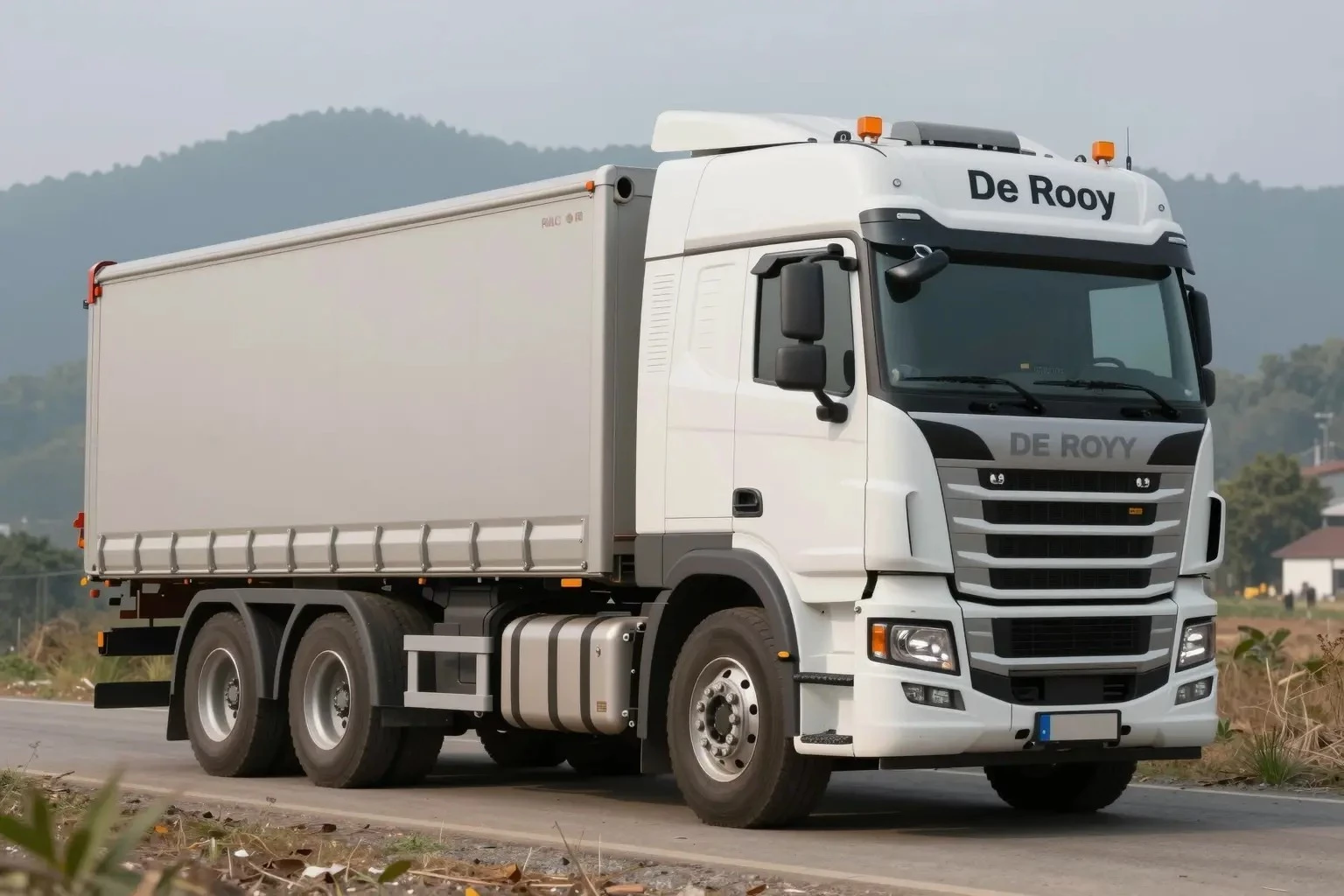





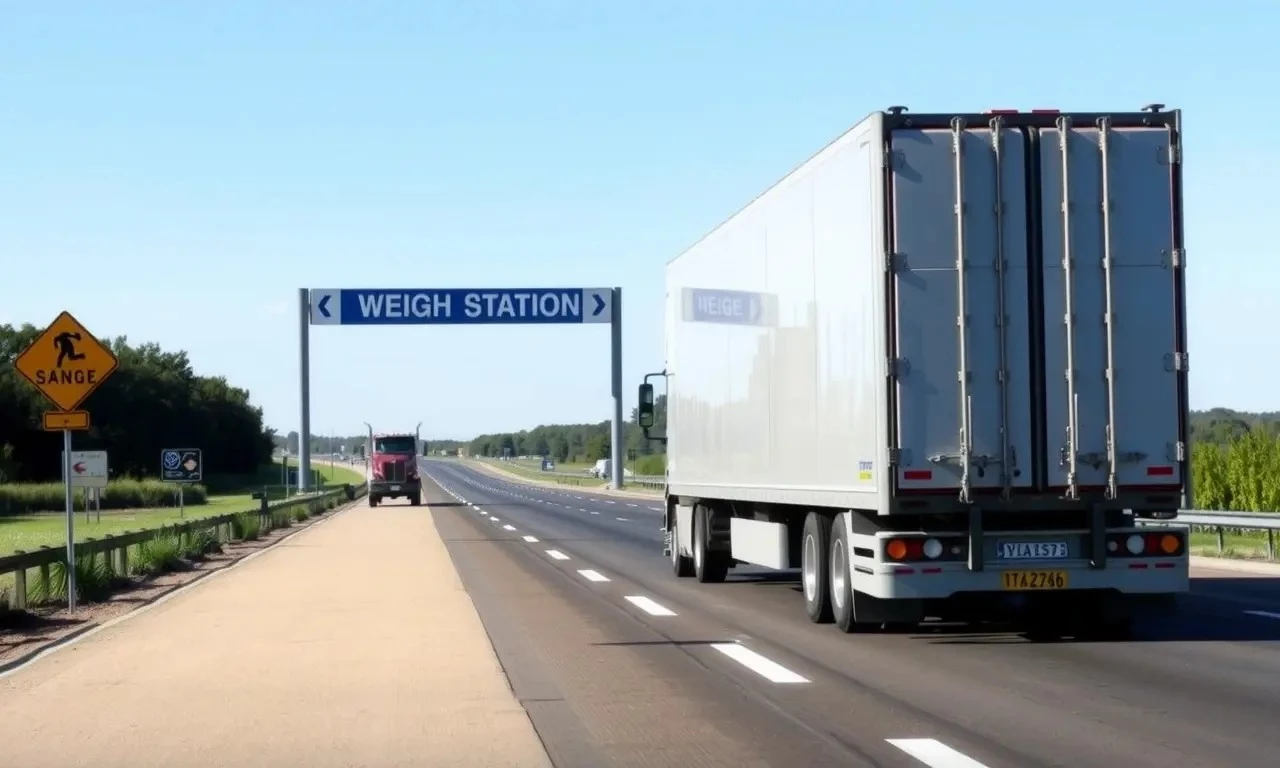
The trucking industry plays a critical role in the global economy, facilitating the movement of goods and materials across vast distances. With the increasing volume of freight transported by commercial vehicles, it becomes essential to ensure safety and compliance on the roads. This is where weigh stations come into play. These facilities are strategically located along highways and are integral to maintaining road safety and enforcing transportation laws.
The Role of Weigh Stations in the Trucking Industry
Weigh stations serve multiple purposes, primarily focusing on the inspection of transport trucks and other commercial vehicles to ensure they adhere to legal weight regulations and DOT regulations; These stations are equipped with truck scales to measure the weight of vehicles and their cargo. This is crucial for several reasons:
- Road Safety: Overloaded trucks can pose a significant risk to road safety, leading to accidents and increased wear and tear on highway infrastructure.
- Compliance: Ensuring trucks comply with load limits helps prevent damage to roads and bridges, extending their lifespan and reducing repair costs.
- Logistics and Efficiency: By monitoring weight, logistics operations can be optimized to avoid penalties and delays.
Why Transport Trucks Must Stop at Weigh Stations
Most transport trucks are required to stop at weigh stations to verify their weight and compliance with transportation laws. The necessity for stopping is determined by several factors:
Vehicle Type
Not all vehicles are required to stop at weigh stations. Generally, commercial vehicles over a certain weight threshold must comply. This includes most transport trucks, which are vital to the freight industry.
Highway Patrol and Enforcement
The highway patrol and other enforcement agencies play a key role in ensuring compliance. They may direct specific vehicles to stop for a vehicle inspection and cargo inspection at a weigh station.
State and Federal Regulations
DOT regulations and state-specific transportation laws dictate when and where trucks must stop. These regulations are designed to maintain safe and efficient highways.
Weight Regulations and Impact on Road Safety
Weight regulations are crucial for maintaining road safety and the integrity of highway infrastructure. Overloaded trucks can lead to significant issues, including:
- Increased Accident Risk: Heavier trucks are harder to maneuver and stop, raising the likelihood of accidents.
- Road Damage: Excessive weight can cause structural damage to roads and bridges, leading to costly repairs and potential hazards.
- Environmental Impact: Overloaded vehicles consume more fuel, contributing to environmental pollution.
The Process at Weigh Stations
When a transport truck approaches a weigh station, it typically follows a standardized process:
- Initial Weighing: Trucks pass over truck scales to measure their weight. This can be done while the vehicle is in motion or at a complete stop, depending on the technology used at the station.
- Inspection: If the weight is within legal limits, the truck may be allowed to proceed. If there are discrepancies, further inspection may be required.
- Document Verification: Drivers may be required to present documents related to their cargo, route, and compliance with transportation compliance regulations.
Penalties for Non-Compliance
Failure to comply with weigh station requirements can result in significant penalties for trucking companies and drivers, including:
- Fines: Financial penalties are imposed for exceeding axle weight limits or bypassing weigh stations.
- Delays: Trucks may be detained until compliance issues are resolved, affecting delivery schedules and logistics.
- Legal Action: Repeated violations can lead to more severe consequences, including legal action against the trucking company.
Advancements in Technology and Future Trends
Technological advancements are transforming the way weigh stations operate, with innovations aimed at improving efficiency and accuracy. Some of the notable trends include:
- Automated Weighing Systems: The use of automated systems allows for faster and more accurate weight measurements without requiring vehicles to stop.
- Data Integration: Integration of data from weigh stations with logistics and fleet management systems helps optimize operations and compliance monitoring.
- Mobile Inspections: Portable inspection systems enable on-the-go checks, reducing the need for stationary weigh stations.
Weigh stations are a fundamental component of the trucking industry, ensuring that transport trucks and commercial vehicles adhere to weight regulations and contribute to road safety. By enforcing compliance, these facilities help preserve highway infrastructure and maintain the efficiency of freight operations. As technology continues to evolve, the future of weigh stations promises even greater advancements in transportation compliance and road safety.