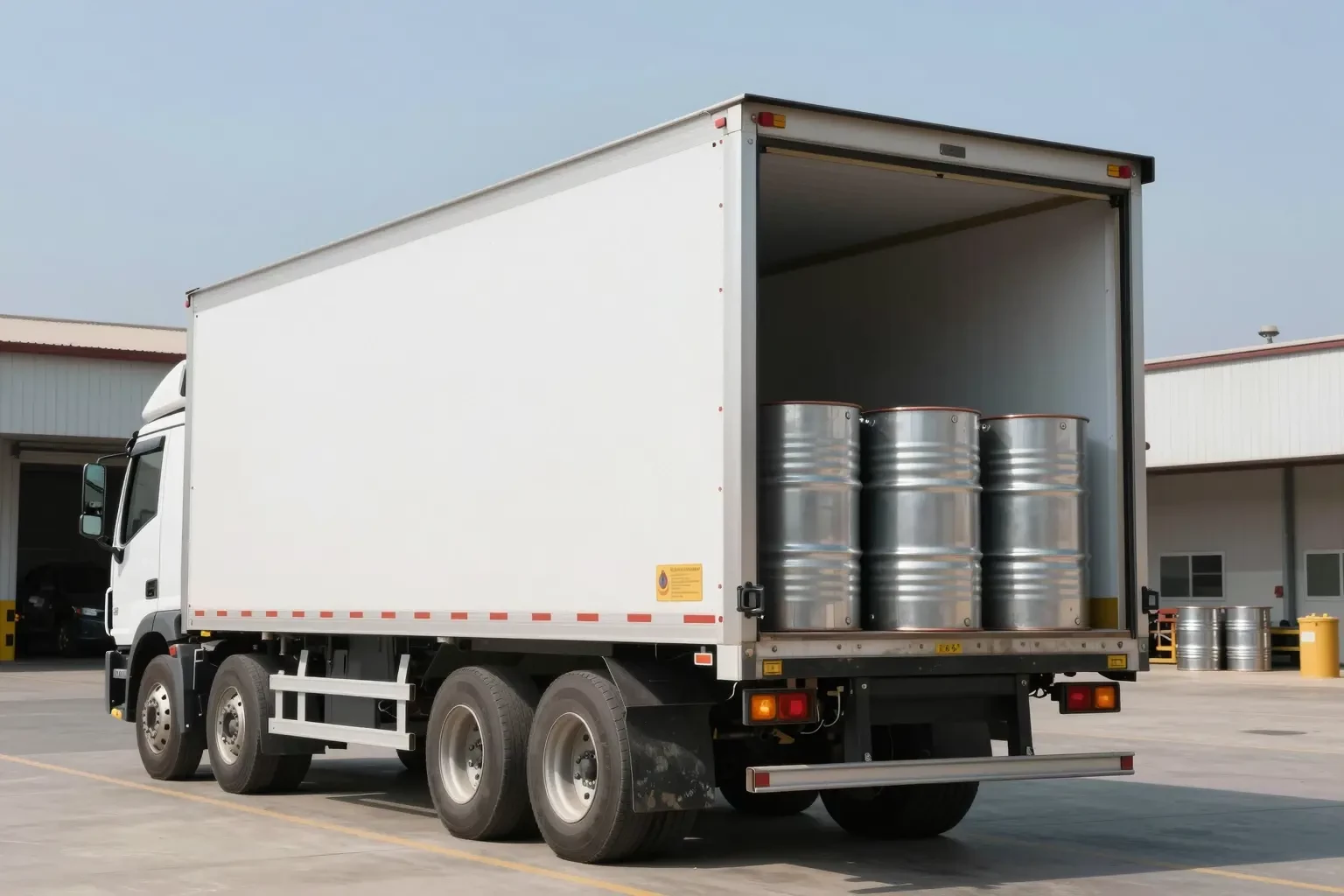






Transporting gravel using a truck is a common task in construction and landscaping projects. However, it requires careful planning and execution to ensure safety, efficiency, and compliance with regulations. This article discusses the essential does and don’ts of gravel transport, focusing on truck safety, load securement, and more.
Understanding Gravel Transport
Gravel transport involves moving loose aggregates from one location to another using trucks, typically dump trucks. This process is crucial in construction, road building, and landscaping. However, it presents challenges such as ensuring cargo stability, preventing spillage, and adhering to hauling regulations.
Key Considerations in Gravel Transport
Truck Safety
Truck safety is paramount in gravel transport. Drivers must ensure that their vehicles are in good condition before embarking on a trip. Regular vehicle maintenance checks are essential to prevent breakdowns or accidents on the road. This includes inspecting brakes, tires, lights, and fluid levels.
Load Securement
Proper load securement is vital to prevent gravel spillage and maintain cargo stability. Overloading a truck can lead to loss of control, increased stopping distances, and potential fines. It is crucial to adhere to weight limits to ensure safety and compliance with regulations.
Hauling Regulations
Different regions have specific hauling regulations that govern the transport of aggregate materials. These regulations cover aspects such as weight limits, load securement standards, and road usage restrictions. Familiarity with these regulations is essential to avoid legal issues and penalties.
Road Conditions
Gravel transport can be affected by road conditions. Drivers must be aware of the terrain, weather, and traffic conditions to plan their routes effectively. Adverse weather conditions, such as rain or snow, can affect the truck’s handling and increase the risk of accidents.
Tarp Usage
Using tarps is an effective way to prevent gravel spillage during transport. A properly secured tarp helps contain the load, protecting it from wind and ensuring compliance with regulations. It is a recommended practice to use tarps, especially on highways and in populated areas.
Driver Training
Driver training is crucial for the safe and efficient transport of gravel. Drivers should be trained in load securement techniques, defensive driving, and emergency procedures. Proper training helps reduce the risk of accidents and enhances overall trucking efficiency.
Do’s and Don’ts of Transporting Gravel
Do’s
- Conduct regular equipment inspection to ensure all components are in good working condition.
- Adhere to weight limits to prevent overloading and ensure safe transport.
- Use tarps to cover the load and prevent gravel spillage.
- Plan routes considering road conditions and potential hazards.
- Ensure drivers receive comprehensive driver training.
Don’ts
- Don’t neglect regular vehicle maintenance, as it is critical for safety.
- Don’t ignore hauling regulations; compliance is mandatory.
- Don’t overlook the importance of cargo stability and load securement.
- Don’t proceed without conducting a thorough equipment inspection.
- Don’t underestimate the impact of adverse road conditions on transport.
Unloading Procedures
Proper unloading procedures are vital to prevent accidents and ensure efficient gravel distribution. Drivers should follow site-specific instructions and use designated areas for unloading. It is important to ensure that the ground is stable and that any personnel involved in the process are at a safe distance.
Transporting gravel using a truck involves careful planning, adherence to regulations, and proper training. By following the outlined does and don’ts, operators can ensure safe, efficient, and compliant gravel transport. Regular maintenance, load securement, and driver training are key components in achieving these objectives.