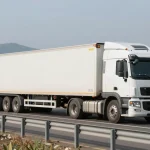

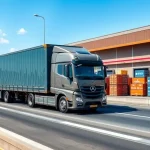

The trucking industry plays a pivotal role in the transportation and logistics sectors, especially in rural areas where agriculture is a primary economic driver. For years, a small trucking company has been a crucial part of the local economy, providing essential freight services, particularly in the form of hay delivery for farmers.
The Importance of Hay Transportation
Hay is a critical component in livestock feed and crop management, forming the backbone of many agricultural operations. Ensuring its timely and efficient transportation is vital for maintaining the health and productivity of farms. The cessation of hay transport by this regional transport company poses substantial logistics challenges for farmers who rely on regular deliveries to sustain their operations.
Impact on Local Farmers
Farmers in the region have expressed concern over the sudden halt in service. The service disruption affects their ability to manage livestock feed supplies efficiently, potentially leading to increased costs and operational hurdles. Without a reliable delivery system, farmers must seek alternative solutions, which are often more expensive and less efficient.
Consequences for the Local Economy
Beyond individual farmers, the broader local economy may also suffer. The trucking company has been an integral part of the agriculture supply chain, ensuring the movement of essential goods within the community. Its absence could lead to a ripple effect, impacting various stakeholders, including farm workers, suppliers, and other small businesses that depend on agricultural productivity.
Challenges Facing the Trucking Industry
The decision to cease hay transportation services highlights the broader logistics challenges faced by small trucking companies. Increasing fuel costs, driver shortages, and aging infrastructure are just a few of the hurdles that have made business operations more difficult and less profitable.
Fuel Costs and Driver Shortages
Rising fuel prices have significantly affected the cost-effectiveness of freight operations, putting pressure on already thin profit margins. Additionally, the industry is grappling with a shortage of qualified drivers, further complicating the ability to offer consistent and reliable services.
Infrastructure and Regional Transport
The state of infrastructure in rural areas often poses additional challenges. Poor road conditions and limited access to major highways can slow transport times and increase wear and tear on vehicles. These issues collectively contribute to the decision by some companies to streamline or reduce their service offerings.
Business Operations and the Supply Chain
For a small trucking company, maintaining efficient business operations is crucial for survival in a competitive market. The decision to stop transporting hay may have been an unavoidable strategic move to focus on more profitable routes or services. However, this shift underscores the fragility of small businesses within the supply chain.
Alternative Solutions for Farmers
In light of the trucking company’s decision, farmers are exploring alternative solutions to meet their hay transportation needs. Options include forming cooperatives to pool resources for direct transport, negotiating with larger companies for dedicated services, or investing in on-farm storage to mitigate supply disruptions.
Collaborative Efforts and Community Support
Community support and collaborative efforts could help bridge the gap left by the trucking company’s exit from hay transport. Regional stakeholders might consider working together to develop innovative solutions that leverage local resources and expertise.
The decision by a small trucking company to stop transporting hay for area farmers highlights significant logistics challenges within the transportation sector. While it presents immediate difficulties for local farmers and the local economy, it also offers an opportunity for the community to come together and create sustainable, long-term solutions. As the agriculture industry continues to evolve, addressing these challenges will be crucial for maintaining a resilient and efficient supply chain in rural areas.